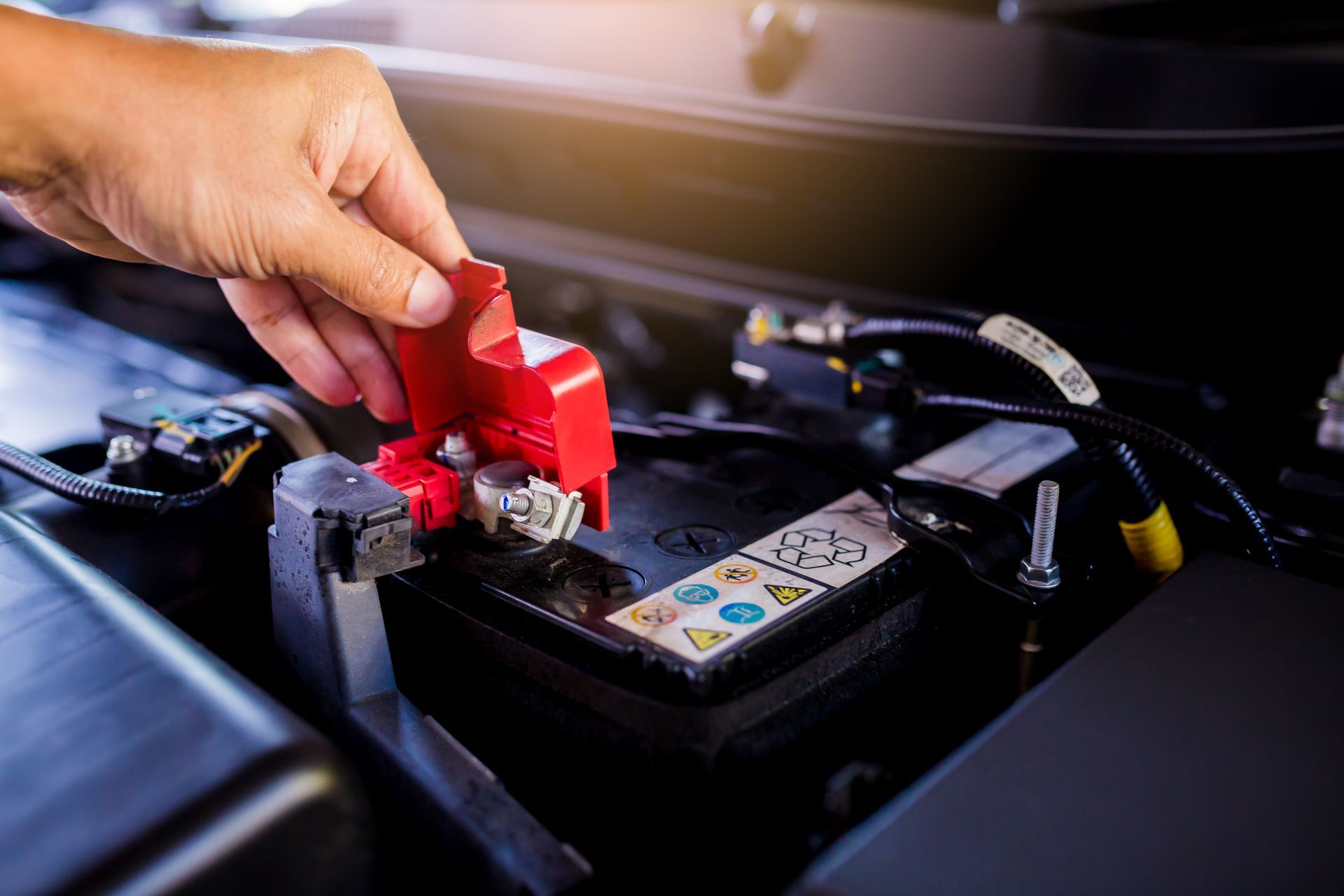
Seeing the coolant reservoir a little low can make topping it off seem like the obvious solution. Sometimes that is all the vehicle needs, especially if the level has changed only slightly and the coolant is still clean, correctly mixed, and within its service interval.
A cooling system flush serves a different purpose. It removes old coolant and contamination so the system can be refilled with fresh fluid that meets the vehicle manufacturer's specification. Knowing when to top off and when to replace the coolant entirely can help protect the radiator, water pump, heater core, thermostat, and engine from avoidable cooling system problems.
Topping Off Only Corrects the Fluid Level
Adding coolant does one thing: it restores the level. It does not remove old coolant, rust, scale, depleted additives, or contamination already circulating through the cooling system.
If the coolant is still in good condition and the reservoir is only slightly below the correct mark, topping off with the proper coolant mixture may be appropriate. A level that keeps dropping is different. Coolant is contained in a closed system, so repeated loss can point toward a leaking hose, radiator, water pump, reservoir, gasket, or another problem that needs inspection.
Old Coolant Eventually Loses Some of Its Protection
Coolant does more than prevent freezing. It also helps control engine temperature, raises the boiling point of the fluid, and contains additives that protect metal surfaces from corrosion.
Those additives do not last forever. Over time and heat cycles, the chemical protection in the coolant becomes less effective. The fluid may still look reasonably clean in the reservoir while no longer providing the same corrosion protection it did when fresh.
This is one reason coolant service should be based on the manufacturer's time and mileage recommendations rather than appearance alone.
A Flush May Be Needed When Coolant Is Contaminated
Coolant should have a consistent appearance and should not contain heavy debris, oil, rust particles, or sludge. If contamination is present, simply adding more fluid will dilute the problem without removing it.
Signs that may justify more thorough cooling system service include:
- Rust-colored coolant
- Heavy sediment in the reservoir
- Oil mixed with the coolant
- Sludge or thick deposits
- Incorrect coolant from a previous service
- Coolant that has become severely discolored
Some contamination points to a larger mechanical problem. Oil in the cooling system, for example, should be investigated before the system is flushed because fresh coolant will quickly become contaminated again if the source is not repaired.
Mixing the Wrong Coolants Can Create Problems
Coolant color is not a reliable way to determine whether two products are compatible. Different manufacturers use different additive packages, and two fluids that look similar may meet completely different specifications.
If the wrong coolant has been added or several unknown coolants have been mixed, draining and properly servicing the system may be safer than continuing to top it off. Using the correct coolant is important because the fluid has to be compatible with the engine, radiator, seals, water pump, and other cooling system materials.
A flush should not be viewed as a way to make any coolant acceptable. The final refill still needs to meet the exact specification required for the vehicle.
Repeated Overheating Calls for Testing First
If an engine is overheating, flushing the cooling system should not automatically be the first repair. Overheating can come from low coolant, a failed thermostat, weak water pump, radiator airflow problems, cooling fan faults, internal engine problems, or a restricted radiator.
Technicians need to identify the cause before deciding whether coolant replacement is part of the repair. If a restriction or severe contamination is found, flushing may help, but fresh coolant cannot repair a failed fan, damaged water pump, or leaking head gasket.
This distinction can prevent an unnecessary service from delaying the repair the vehicle actually needs.
What About Coolant That Has Been in the Car for Years?
Time can be just as important as mileage. A car driven only a few thousand miles each year may still be due for coolant service because the fluid has spent years exposed to heat, oxygen, and the internal surfaces of the cooling system.
Manufacturer intervals vary considerably. Some coolants are designed for relatively long service lives, while others require replacement sooner. The service schedule for the specific vehicle should be checked instead of applying one mileage number to every car.
During regular maintenance, inspecting the coolant condition, level, hoses, reservoir, radiator, and visible leak areas can help determine whether the system needs attention before the next scheduled interval.
A Flush and a Drain-and-Fill Are Not Always the Same Thing
Cooling system service can be performed in different ways. A basic drain-and-fill removes a portion of the old coolant and replaces it with fresh fluid. A more complete exchange removes a greater amount of the old coolant from the system.
The right procedure depends on the vehicle, coolant condition, and manufacturer instructions. Aggressive chemical flushing is not appropriate for every cooling system, especially when components are old or heavily corroded. The goal should be to service the system correctly, not simply perform the most extensive procedure available.
Why Finding a Coolant Leak Comes Before Repeated Top-Offs
A small coolant leak may evaporate before it leaves a large puddle. Dried white, pink, green, orange, or other colored residue around a hose connection, radiator seam, thermostat housing, or water pump can be an early clue.
Pressure testing can help locate leaks that are difficult to see when the engine is cold. If the coolant level repeatedly drops after being topped off, finding the leak is more important than continuing to refill the reservoir. Running low on coolant can lead to overheating and engine damage.
When a Cooling System Flush Is Worth Doing
A coolant flush or exchange makes sense when the fluid has reached its scheduled replacement interval, has become contaminated, contains the wrong coolant, or needs to be renewed as part of another cooling system repair.
Topping off is appropriate when the coolant itself remains serviceable, and only the level needs a minor correction. The two services solve different problems, and choosing between them should come from coolant condition, maintenance history, manufacturer requirements, and whether the system is losing fluid.
Get Cooling System Service in Bremerton, WA, With Complete Auto Repair
Complete Auto Repair in Bremerton, WA, can check coolant condition, cooling system leaks, hoses, radiator components, water pump operation, and other causes of coolant loss or overheating.
If you are unsure whether your vehicle only needs coolant added or is due for a complete cooling system service,
contact us to schedule an inspection.