Cold mornings have a way of telling you exactly how healthy your diesel truck really is. The evening before, it might have sounded fine. Then the temperature drops, and suddenly the starter drags, the engine cranks forever, or it fires, shakes, and stalls out.
Diesel engines are especially sensitive to cold, so those first cold start problems are worth paying attention to before you end up with a no-start in the driveway or at the jobsite.
Why Cold Weather Is Tough on Diesel Starts
Diesels rely on very high compression and heat in the cylinder to ignite fuel. When the engine is cold, metal parts and fluids pull heat away from that process. Cold air is denser, the block is chilled, and the oil is thicker. That means the starter and battery both have to work harder just to spin the engine fast enough to build the heat you need.
At the same time, cold fuel does not atomize as easily, and the chemical reactions inside the battery slow down. You are asking for more cranking power on the same morning that the battery has less to give. If the glow plug or intake heater system is not doing its job, cold starts get even tougher.
How Diesel Engines Start Differently from Gas Engines
Gas engines use spark plugs to ignite a mix of fuel and air. Diesels do it by compressing air until it is hot, then injecting fuel directly into that hot air. On a cold morning, glow plugs or an intake heater warm things up in the cylinder or intake path before and during cranking.
For a clean cold start, several pieces have to cooperate: strong cranking speed from the battery and starter, working glow plugs or grid heater, proper fuel pressure, and clean fuel that has not gelled. If any of those are weak, you will feel it during the first few seconds of cranking. That is why diesel trucks can feel fine in mild weather, then suddenly act stubborn the moment the temperature dips.
Common Cold-Weather Causes of Hard Starting
Most cold start complaints trace back to one or more of these issues:
- Weak or aging batteries that cannot spin the engine fast enough under load
- Thick, cold engine oil that puts a heavy drag on the starter
- Failing glow plugs, glow plug relays, or intake heaters that do not provide enough preheat
- Fuel system problems, such as air leaks, weak lift pumps, or low rail pressure on common-rail systems
- Diesel fuel that is starting to gel or wax because it is not properly treated for the temperature
Sometimes the problem is layered. For example, slightly weak batteries and a couple of bad glow plugs might not show up at 40 degrees, but the same truck will crank forever at 15 degrees and still not want to fire.
Symptom Timeline: From Slow Crank to No-Start
Cold start problems usually follow a pattern. Early on, you might just notice the truck cranks a little longer than usual before it catches, or it fires and stumbles for a second before smoothing out. Exhaust may look a bit hazier and smell stronger in those first few seconds of idle.
As things get worse, crank times stretch out, and you may need two or three attempts to get the engine running. You might see more white or gray smoke on startup, which can hint at unburned fuel from poor cold combustion. In the late stage, the engine may not start at all unless you jump the batteries or the weather warms up, and it might stall if you try to drive before it has had time to stabilize.
Driver Habits That Make Cold Starts Harder
Some everyday habits quietly make life tougher for a cold diesel:
Parking outside all winter instead of in a garage or under cover, especially without a block heater, gives the engine, oil, and fuel a deep chill every night. Short trips where the engine never reaches full operating temperature mean the batteries do not get a solid recharge. Skipping regular battery tests and cable inspections lets corrosion and weak cells sneak up on you.
Another habit we see is cycling the key too quickly. On many trucks, the glow plug or grid heater light should be allowed to complete its cycle before you crank, especially on the coldest mornings. Cranking immediately, without that preheat, can make a marginal system feel a lot worse.
Simple Checks You Can Safely Do at Home
You do not need to tear into the truck to gather useful information before a visit:
- Watch the glow plug or intake heater light on the dashboard. Does it come on every cold start, and does the time it stays on change as temperatures drop?
- Listen to the cranking speed. A slow, dragging crank usually points toward batteries, cables, or starter load, not just “cold fuel.”
- Look at the age of your batteries and check for corrosion on the terminals or loose connections.
- Think about your fuel source and whether you are using a winterized diesel blend or an appropriate anti-gel treatment.
If you are comfortable looking under the truck, a quick inspection for damp fuel lines, drips at fittings, or leaks around the fuel filter head can also be helpful. Air getting into the fuel system overnight can make cold starts much harder.
When a Hard-Starting Diesel Becomes an Emergency
A little extra crank time on the first frosty morning is one thing. Repeated no-starts, heavy white smoke, or strong fuel odors that linger are in a different category. If you have to jump the truck often, or it stalls shortly after starting in the cold, those are signs to stop treating it as a quirk and get it checked.
Continuing to crank a reluctant engine for long periods can overheat the starter, drain batteries to the point of damage, and wash cylinder walls with unburned fuel. Waiting until the truck finally refuses to start at all usually means you are dealing with several worn-out pieces at once instead of one or two.
Get Cold Diesel Start Diagnostic in Bremerton, WA with Complete Auto Repair
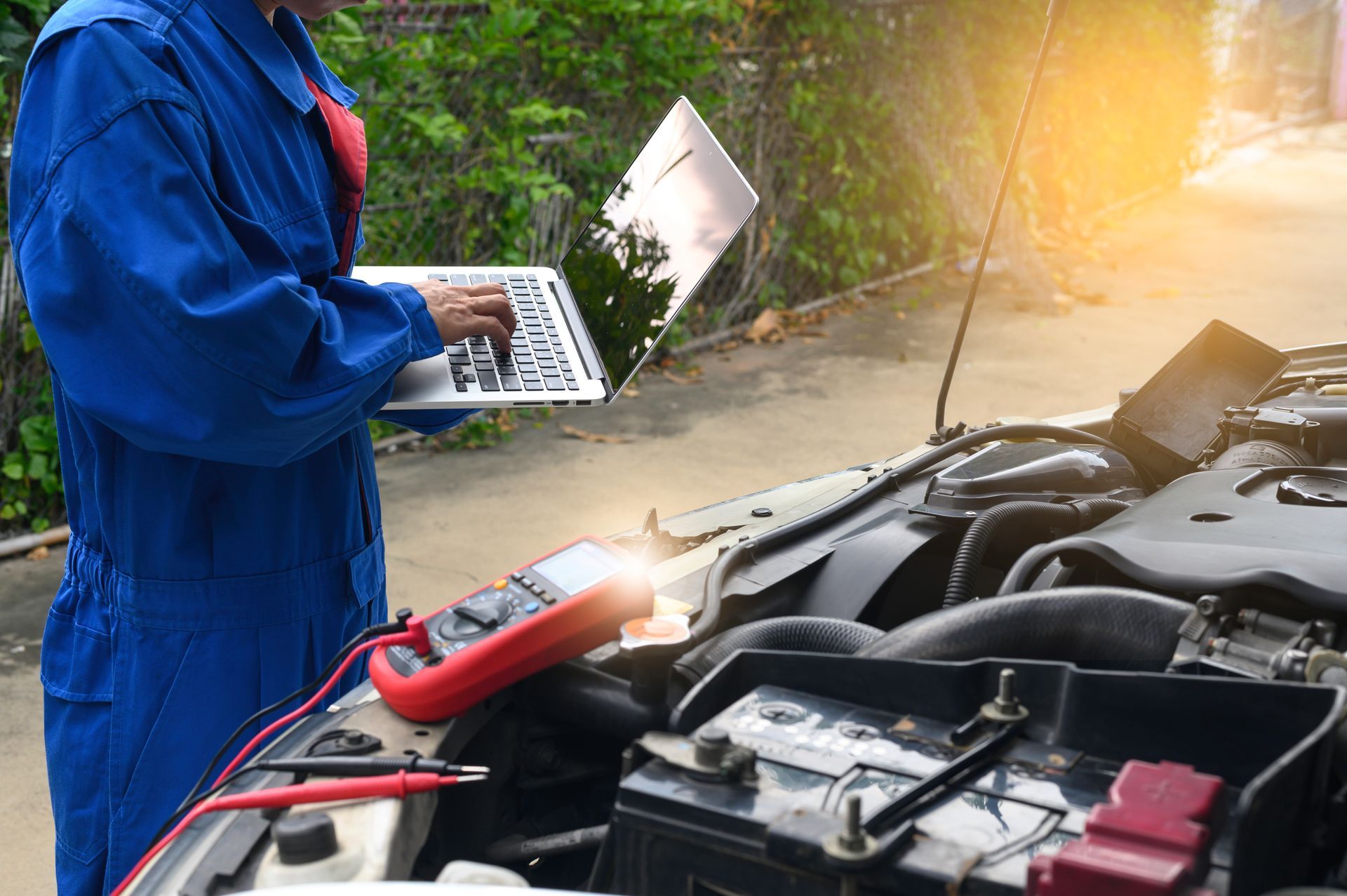
If your diesel truck is getting harder to start on cold mornings, this is the right time to track down the cause. We can test the batteries and starter, check the glow plug or intake heater operation, inspect the fuel system, and make sure your truck is actually ready for winter.
Schedule a cold diesel start diagnostic with
Complete Auto Repair in Bremerton, WA, and we will help your truck fire up with a lot less drama when the temperature drops.