A car that drifts or tugs to one side makes every drive tiring. You find yourself correcting the wheel, wearing out tires, and wondering what changed. Pull usually points to a problem in alignment, steering, suspension, or tires, and the sooner you track it down, the cheaper it is to fix.
First Question: Is It the Road or the Car
Roads are crowned so water runs off, which can nudge any vehicle slightly to the right. Find a flat, empty lot and drive straight at low speed with a light grip. If the car moves left or right within a few seconds, you have a real pull to diagnose. If it stays straight here but wanders on your normal route, the road surface was the main influence.
Tire Causes: Pressure, Wear Pattern, and Belt Issues
Tires are the easiest place to start. A low tire on one corner reduces rolling radius and creates a steer effect toward that side. Uneven wear also changes how the rubber contacts the road, which can pull even when pressures are correct. A separated or shifted internal belt can make the car dart oddly at certain speeds.
Quick checks help: set all pressures to the door label when cold, inspect the tread for inner or outer edge wear, and note any hum that changes with speed. Swapping the front tires left to right is a simple test; if the pull switches sides, the tire is the culprit.
Brake Drag: The Hidden Pull That Appears Only When Stopping
If the car tracks straight until you touch the pedal, then it veers, suspect a sticky caliper or a collapsed brake hose. Heat builds on the dragging side, so you may smell a hot, acrid odor after a longer stop, or see darker rotor color on that wheel.
Left alone, the dragging brake cooks pads and rotors and can damage wheel bearings. A quick temperature comparison after a test drive or an inspection of caliper slide pins and hoses will confirm the cause.
Alignment Angles: Camber and Toe Do the Aiming
Alignment sets how the wheels point and lean. Excessive positive camber on one side pushes the car away from that wheel; too much negative camber can pull the other way, especially under braking. Toe pulls are common and hard on tires, because the wheels fight each other as they roll.
Hitting a deep Bremerton pothole, sliding into a curb during winter, or replacing tie rod ends without a follow up alignment can all nudge angles out of spec. A proper alignment measures camber, caster, and toe at all four corners, compares to factory specs, and adjusts where the vehicle allows.
Suspension Wear: Bushings, Ball Joints, and Struts
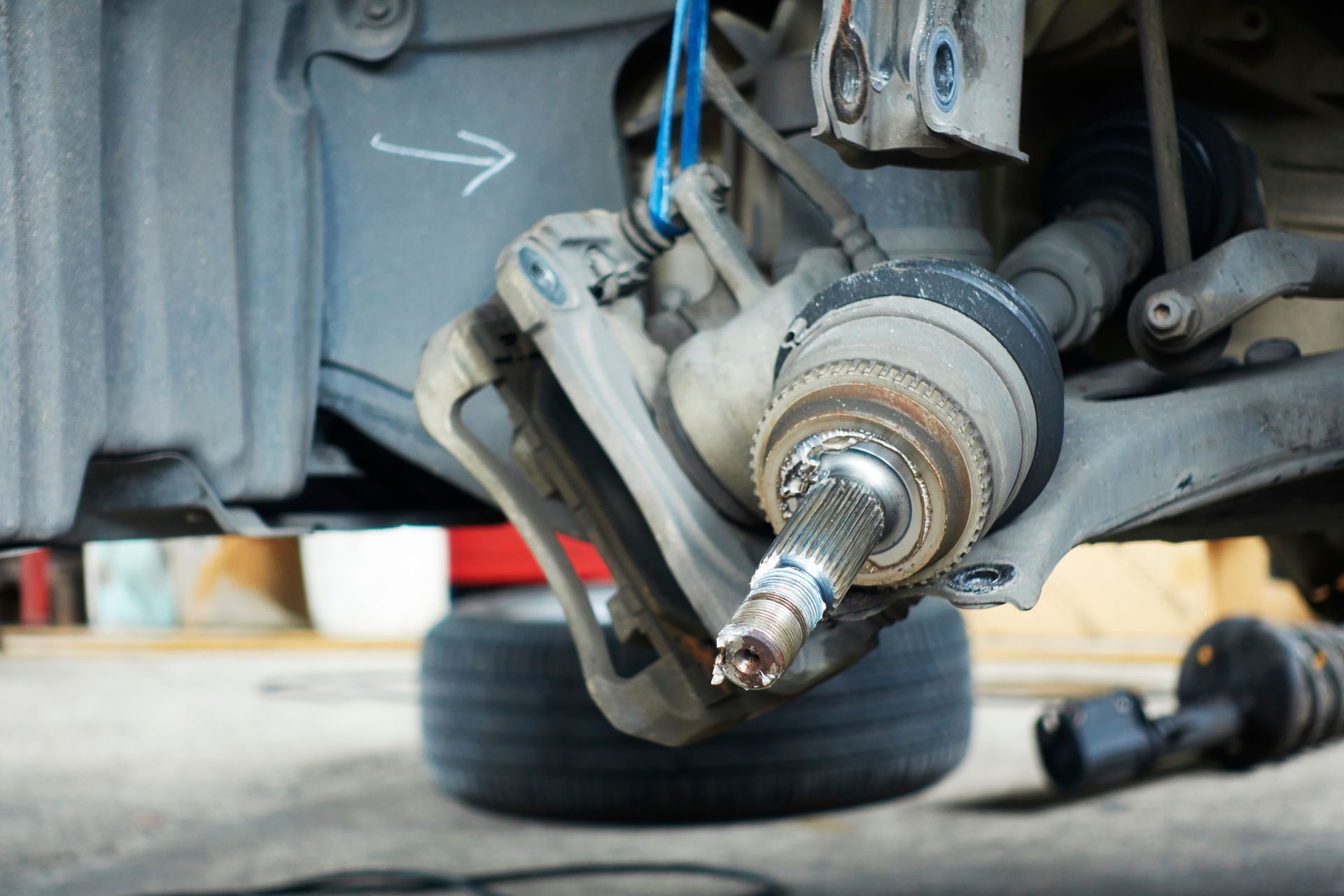
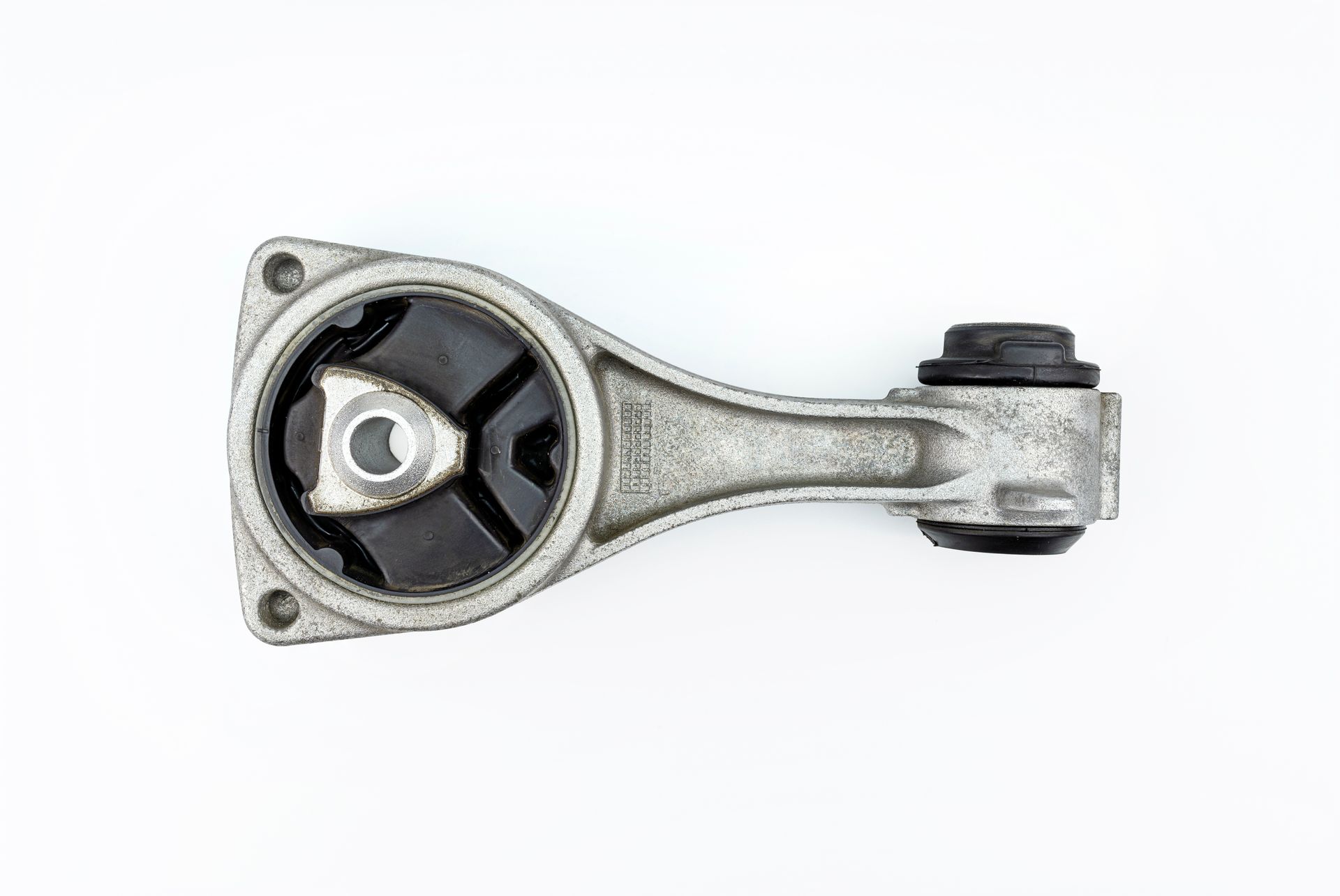
Worn rubber bushings let control arms shift under load, changing toe or camber while you drive. A weak strut can let the body roll more on one side, making the car feel like it wants to fall into a lane change. Torn lower control arm bushings, loose ball joints, and play in tie rod ends all show up as vague steering and uneven tire wear.
In many cases, the alignment cannot be set accurately until these parts are restored, because the angles won’t hold once the car is rolling.
Steering System Faults: Rack Bias and Binding Joints
A steering rack with internal wear can create a bias that nudges the wheel in one direction. Binding universal joints in the steering shaft or a damaged intermediate shaft can also cause a nibble or sticky on-center feel that mimics pull.
If the wheel does not return to center after a turn, or if it feels notchy as you pass straight ahead, the steering column and rack deserve a close look. Verifying that the wheel is centered during alignment is not just cosmetic, it confirms both front wheels share the same path.
What a Professional Diagnosis Looks Like
- We start by checking tire pressures and recording tread readings.
- We take the car on a short, flat-road test to feel the pull with a light grip on the wheel.
- We check for brake drag and inspect the suspension for play, torn bushings, or loose joints.
- We measure caster, camber, and toe on a calibrated alignment rack and compare it to factory specs.
- If tires look suspect, we cross-rotate them to see if the pull follows a specific tire.
- We correct any mechanical issues first, then set final alignment angles and verify the steering wheel is perfectly centered.
- We road test again to confirm the result: a car that tracks straight with even, predictable tire wear.
Get Professional Alignment and Steering Repair in Bremerton with Complete Auto Repair
If your vehicle drifts, tugs, or needs constant correction, bring it to our Bremerton shop. We will isolate whether the cause is tire, brake, alignment, suspension, or steering, fix the root problem, and set precise angles so the wheel sits straight.
Schedule an inspection and enjoy a calm, centered drive again.