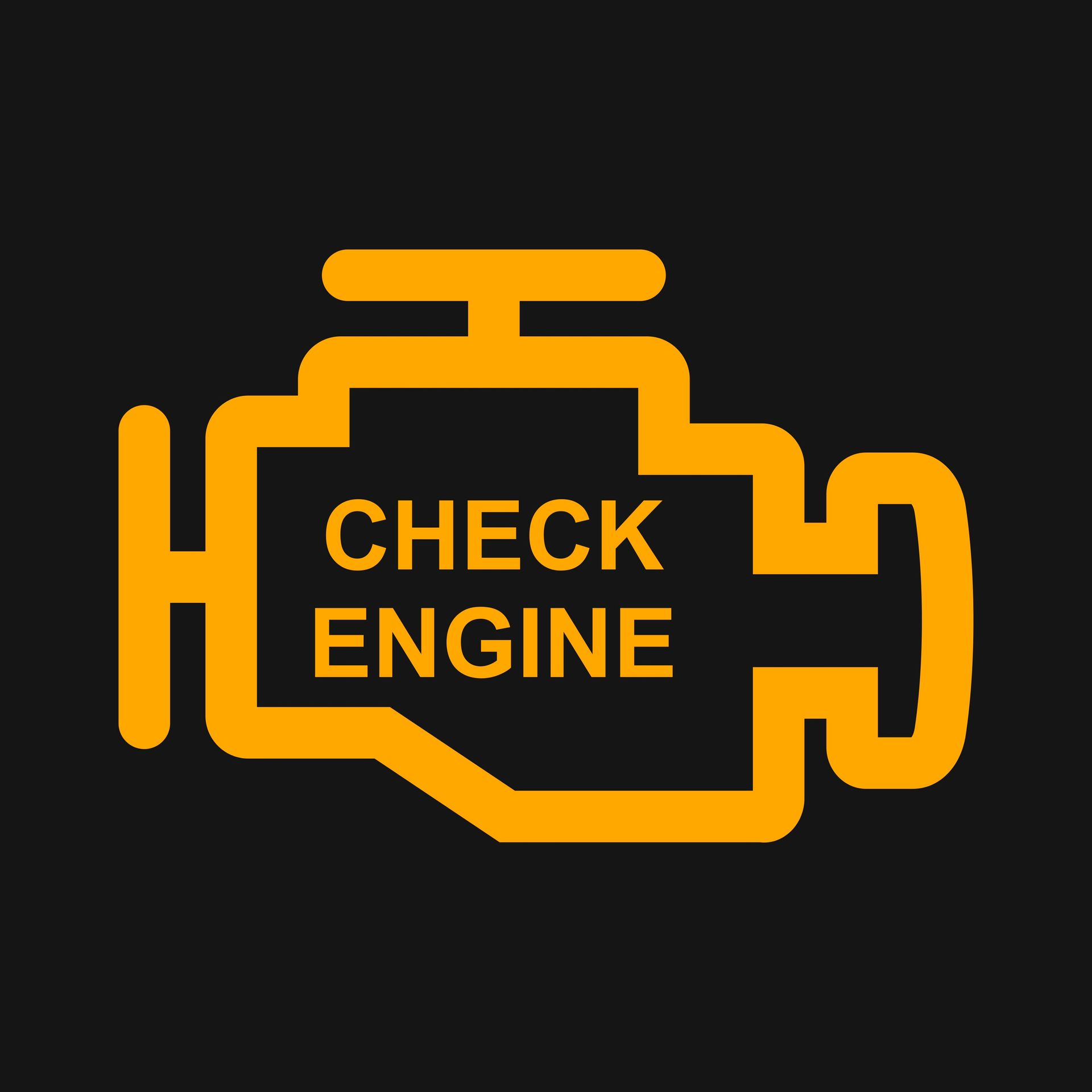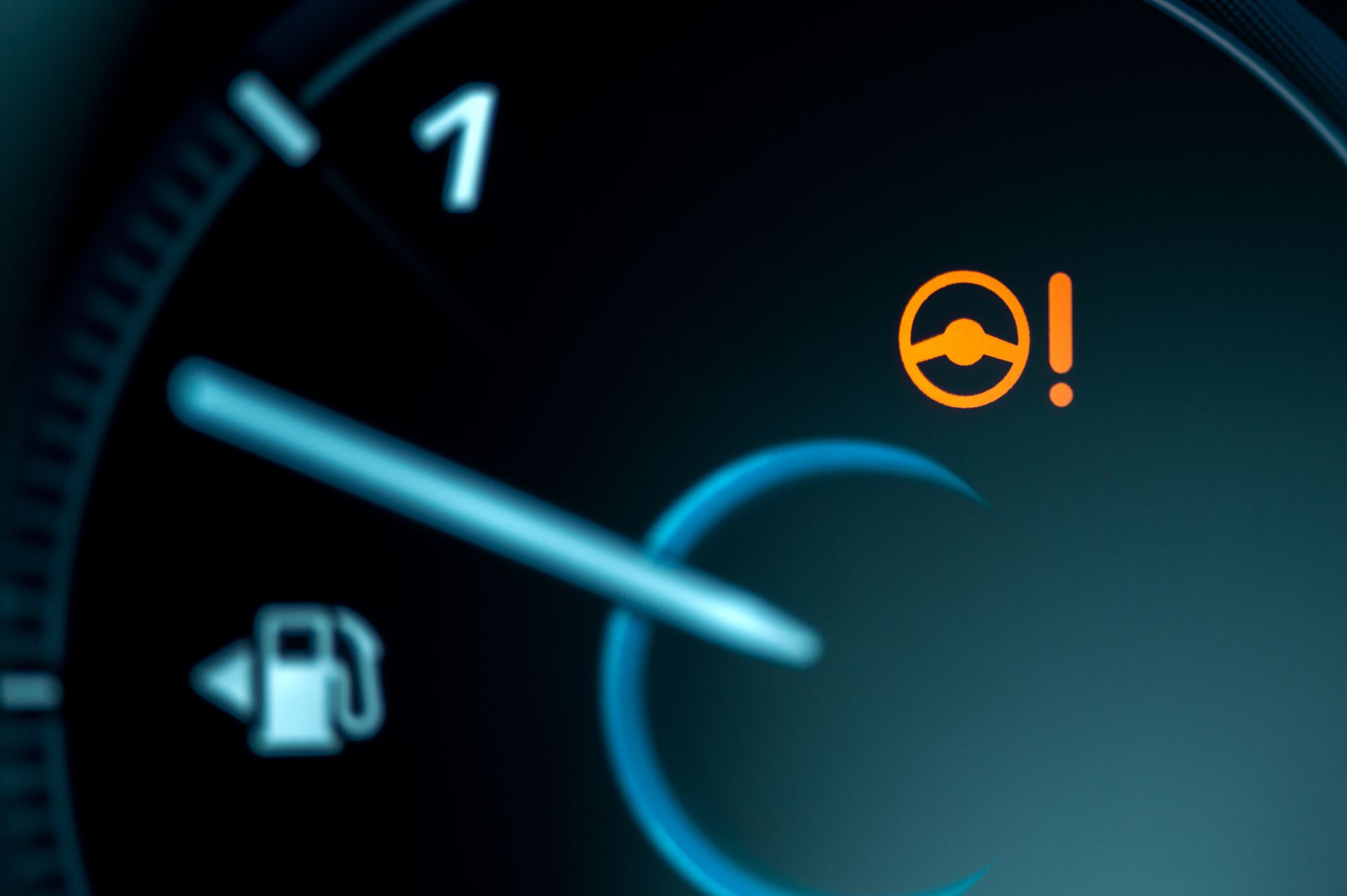
When the dashboard lights up, most drivers want one thing. A clear answer. Not a pile of maybes, and not a random parts list. That’s why computer diagnostics have become such a big part of modern auto repair.
Still, a diagnostic test is not magic. It doesn’t automatically point to one exact part every time. What it does do is give solid direction. It tells us what the car noticed, when it noticed it, and what systems were acting outside normal range. From there, real testing can confirm the cause.
What A Diagnostic Scan Actually Reads
Your vehicle has multiple computers that monitor sensors, switches, and system performance. The engine computer is the one most people think of, but there are others for transmission, ABS, airbag systems, body electronics, and more.
A diagnostic scan reads trouble codes stored by these computers. It can also read live sensor data, which shows what the vehicle is seeing in real time. Think of it like pulling a report card and a set of notes from the car’s memory, rather than a simple yes or no answer.
The Difference Between Codes And Real Causes
A trouble code points to a system or condition, not always the failed part. For example, a code might say the engine is running too lean. That could be caused by a vacuum leak, low fuel pressure, a bad sensor, or even exhaust leaks in certain spots. The code narrows the search. It does not automatically confirm the cause.
That is why a parts-store scan can be misleading. It may show one code and suggest one part. In reality, the same code can have multiple causes. A professional diagnostic approach uses codes as the starting point, then confirms the root problem with testing.
What Freeze-Frame Data Can Reveal
One of the most useful pieces of diagnostic information is freeze-frame data. This is a snapshot of engine conditions at the moment a code set is applied. It can include engine temperature, RPM, load, fuel trim, and speed.
This matters when the issue is intermittent or happens under specific conditions. A car that acts up only on cold starts leaves a different fingerprint than a car that acts up after a long drive. A freeze-frame can capture the moment the problem occurs, even if the vehicle is behaving normally when it rolls into the shop.
Live Data: What The Car Is Doing Right Now
Live data helps confirm whether sensors are behaving logically. It can show oxygen sensor response, coolant temperature readings, mass airflow behavior, throttle position, and more. It can also show fuel trim, which is a big clue for mixture problems.
For example, if fuel trim is high and the engine is adding fuel constantly, that points toward a lean condition. If the fuel trim is strongly negative, the engine is pulling fuel back, which suggests running rich. Those patterns guide inspection toward air leaks, fuel pressure problems, or sensor readings that are off.
Systems A Diagnostic Test Can Check Beyond The Engine
A lot of drivers think diagnostics are only for check engine lights. In reality, scanning can also help with ABS and traction control concerns, airbag warnings, transmission faults, and many body and comfort systems.
That means diagnostics can help with issues like:
- ABS lights and traction control lights are staying on
- Transmission shifting problems are tied to electrical control
- Battery drain and charging problems
- Power window and door lock issues on newer vehicles
- Cooling fan operation problems that do not show up as an overheat event
The scan does not replace inspection, but it can prevent chasing the wrong direction.
What Diagnostics Can Catch Before You Notice Symptoms
Some problems set codes before you feel anything. Early misfires, small air leaks, weak sensor performance, and catalytic converter efficiency issues often show up as stored codes long before the car runs poorly.
That can be a big money saver. Catching a minor leak early can prevent a misfire later. Catching a failing sensor early can prevent poor fuel economy and drivability issues that are harder to diagnose once multiple systems start compensating.
What A Diagnostic Test Cannot Tell You By Itself
A diagnostic scan cannot measure mechanical wear. It cannot tell you the brake pad thickness. It cannot confirm that a wheel bearing is noisy. It can also not always see an intermittent wiring issue that only happens during vibration or heat soak.
It also cannot guarantee that the first code is the only problem. Sometimes a primary issue causes secondary codes. Fixing the primary issue clears the rest. That is why it matters to interpret codes in context, rather than treating every code as a separate part replacement.
Get Computer Diagnostics and Inspection in Bremerton, WA, with Complete Auto Repair
We can scan your vehicle, interpret the data, and confirm the actual cause with proper testing before recommending any repairs. We’ll keep the explanation clear and practical so you know what’s happening and what it takes to fix it.
Call
Complete Auto Repair in Bremerton, WA, to schedule a computer diagnostic test and get real answers from your dashboard warning lights.