DIY work can save money, but some jobs go from simple to unsafe with one missed step. The biggest risk is not that the repair fails immediately. The risk is that it feels fine at first, then shows up as longer stopping distances, unstable handling, or an electrical issue that happens at night in the rain.
Regular maintenance helps, but it does not protect you from a repair done incorrectly.
Brake Fluid And Caliper Work
Brakes depend on solid hydraulic pressure, and a small mistake changes how the pedal feels and how fast the car stops. Air trapped in the lines, a twisted hose, or a caliper installed with stuck slides can create pulling, overheating, or a pedal that goes soft after a few stops. Mixing the wrong fluid type or leaving the cap off too long also invites moisture, which lowers the boiling point and hurts braking performance under heat. If the braking feel changes after a DIY repair, stop driving it like normal until it is checked.
Pad And Rotor Swaps Done Without Proper Hardware Checks
Pads and rotors look straightforward, yet plenty of safety issues come from rushed installation. Missing anti-rattle clips, seized slide pins, or pads installed backwards can cause noise, uneven braking, and rapid wear that turns into metal-on-metal contact. Over-compressing the caliper piston without opening the bleeder can also push contaminated fluid back through the system on some vehicles. The car may still stop, but stopping distance and control can change more than you expect.
Suspension And Strut Work With Springs Involved
Coil springs store real force, and the wrong compressor setup can slip or release suddenly. Even when no one gets hurt, a spring or top mount installed slightly off can create a clunk, a crooked ride height, and unpredictable handling in corners. Strut bolts that are not torqued correctly can loosen over time, and that is not a problem you want at highway speed. Suspension work is one area where the right tools and the right torque matter more than effort.
Steering Parts Like Tie Rods And Ball Joints
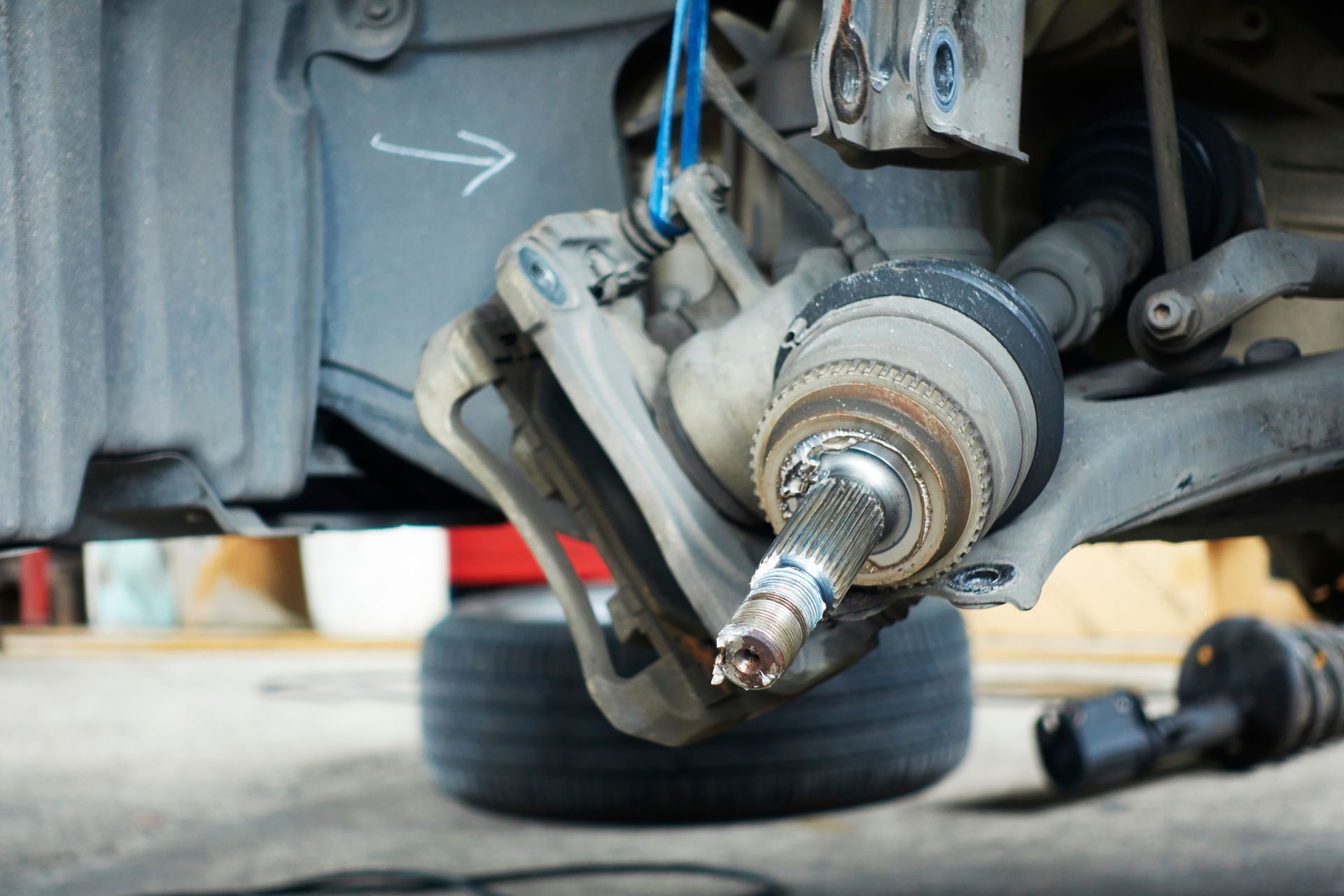
Steering components control direction, and worn or incorrectly installed parts can introduce play that makes the car wander. A tie rod end that is not seated fully, a cotter pin skipped, or a ball joint that is not torqued properly can loosen and create a real loss of control risk. These jobs also affect alignment, so the car may pull or chew tires even if the new part is good. When steering feels off after a repair, assume something is not right until it is verified.
Jacking The Vehicle And Working Under It
A surprising number of injuries come from the setup, not the wrenching. Using a jack alone, placing stands on weak points, or working on an uneven surface is how cars fall. If you do underbody work at home, these are non-negotiable basics:
- Never rely on a hydraulic jack as the only support
- Place jack stands on solid, correct lift points
- Chock wheels so the vehicle cannot roll
- Work on flat ground and shake-test the vehicle before getting underneath
Tire Plugs, Wheel Installations, And Lug Nut Torque
Plugging a tire can be safe in the right scenario, but plugging sidewall damage or a large puncture is not a real repair. Wheel installs create their own risks when lug nuts are cross-threaded, unevenly tightened, or over-torqued with an impact gun. That can warp brake rotors, damage studs, or allow a wheel to loosen. If you have vibration right after a wheel job, treat it as a warning, not an annoyance.
DIY Electrical Add-Ons And Wiring Repairs
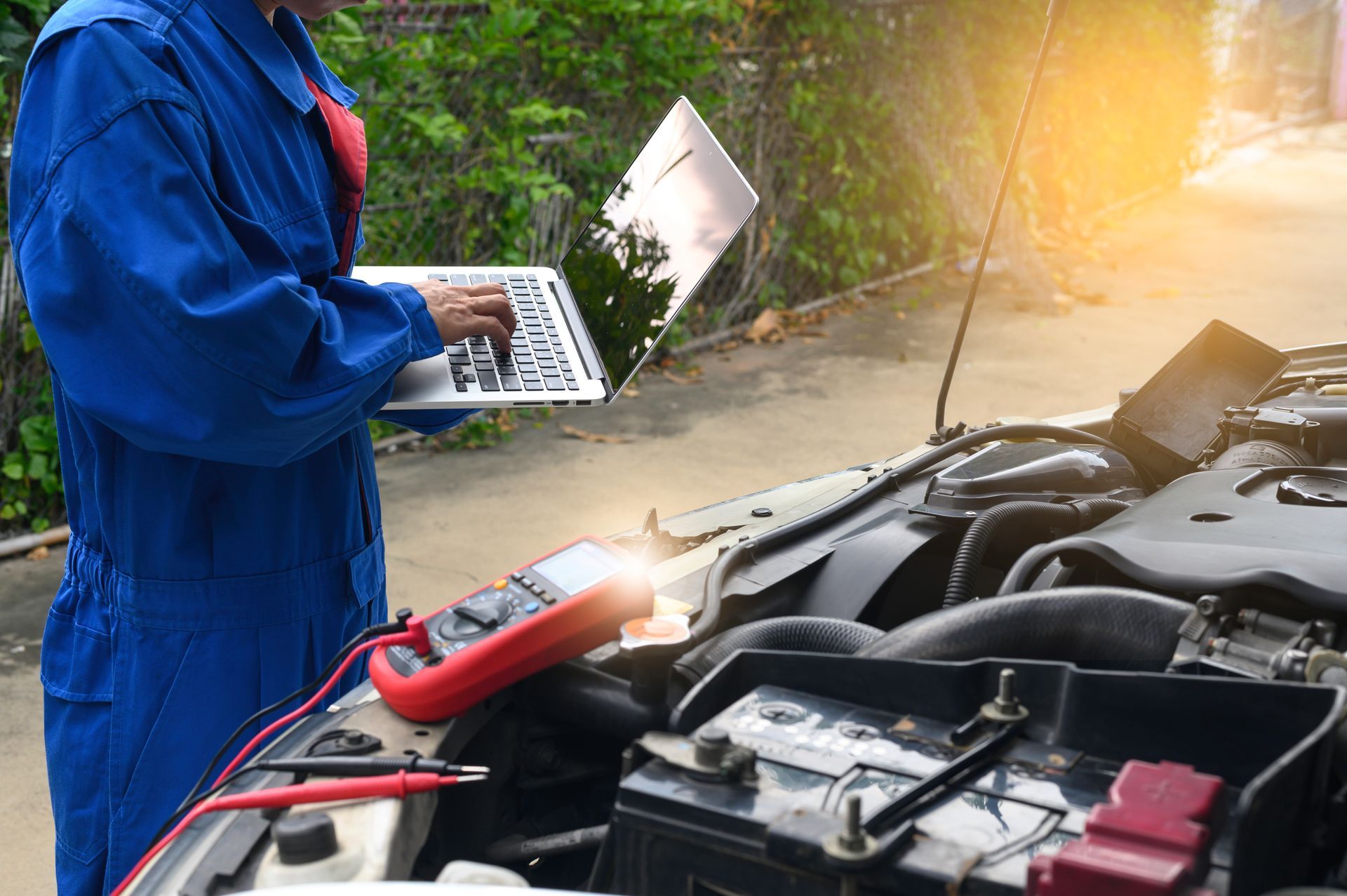
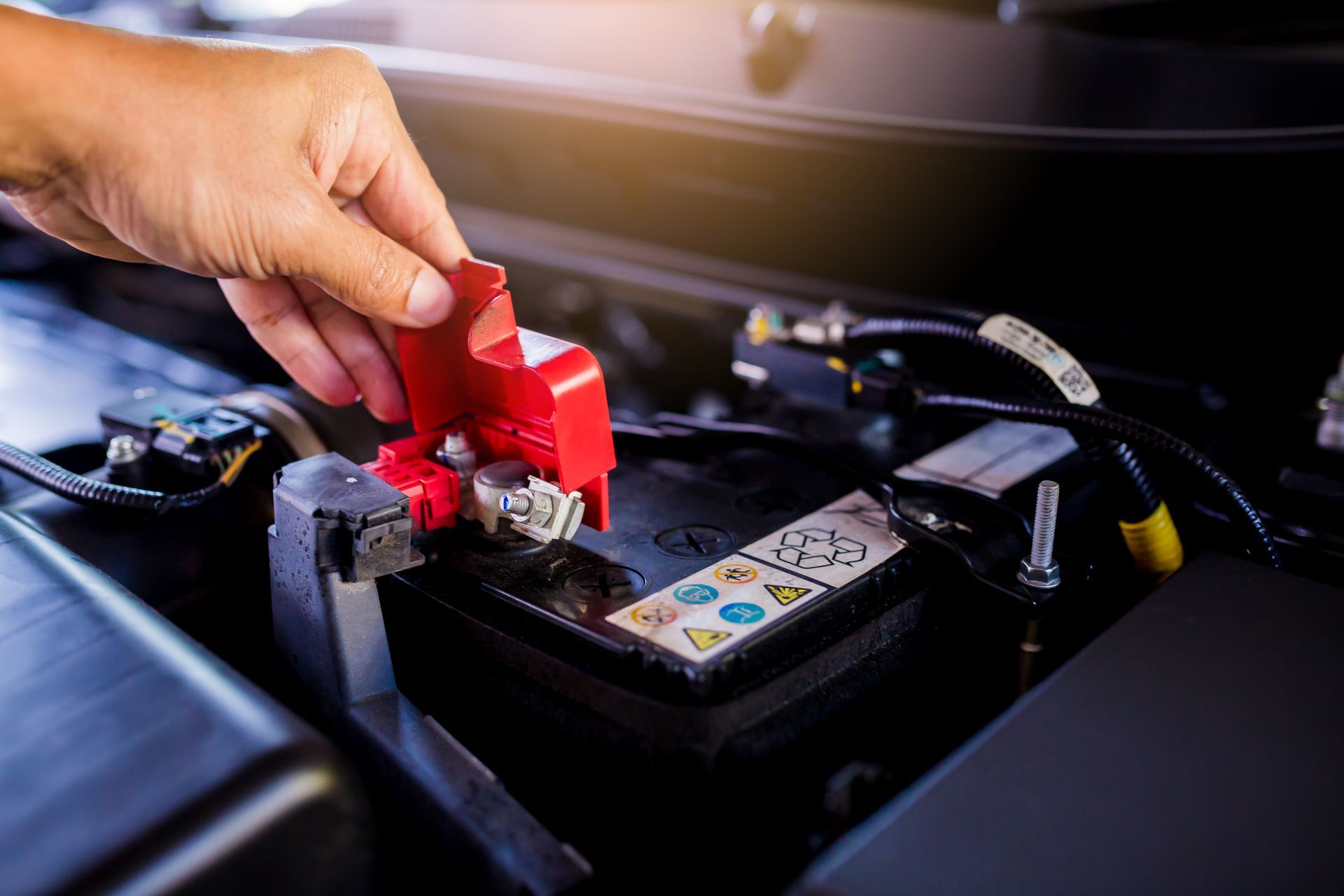
Electrical problems become safety problems fast when they involve lighting, charging, or power steering systems. Poor splices, loose grounds, and incorrect fuses create heat, and heat is what melts insulation and starts shorts. A wire routed too close to a sharp edge or exhaust component will eventually fail, even if it looks fine on day one. If a DIY wiring job causes flickering lights, burning smell, or repeated fuse failures, stop and address it before driving at night or in bad weather.
Airbag And Seat Belt System Repairs
Airbags and seat belt pretensioners are not a trial-and-error system. A wrong connector, improper handling, or incorrect replacement part can leave you with a system that does not work when you need it, or a warning light that is hiding a real fault. Even seemingly simple work like steering wheel swaps or seat removal can disturb sensitive wiring and connectors. This is one area where the safest move is letting trained techs handle it with the right procedures.
Get DIY Repair Safety Checks In Bremerton, WA With Complete Auto Repair
If a DIY repair left you unsure about braking, steering, or electrical reliability, the next step is confirming what is safe and what needs correction before you put more miles on it. Schedule an inspection at Complete Auto Repair in Bremerton, WA, and we’ll verify the work, pinpoint any safety risks, and help you avoid repeat failures.
You should feel confident every time you pull out of the driveway.