A steering wheel that feels heavy in a parking lot or at a slow turn is hard to ignore. Most drivers notice it backing out of a space, turning into a driveway, or maneuvering through tight traffic. The car still goes where you point it, though the effort through the wheel feels wrong and out of proportion to the speed.
Your vehicle's steering should always feel controlled, not stubborn.
Why The Problem Shows Up More At Low Speeds
Steering always feels lighter once the vehicle is moving because the tires are already rolling, and the front end does not have to fight as much friction against the pavement. At low speeds, the steering system has to work the hardest. That is when weak assist, added resistance, or worn front-end parts show themselves.
This is why a car may feel nearly normal on the road but suddenly become difficult to turn while parking. The system is being asked for maximum help at the exact point where a weakness is easiest to feel. Once that happens, the cause is usually in the power-assist system, tire condition, or the steering components themselves.
Low Fluid And Hydraulic Steering Problems
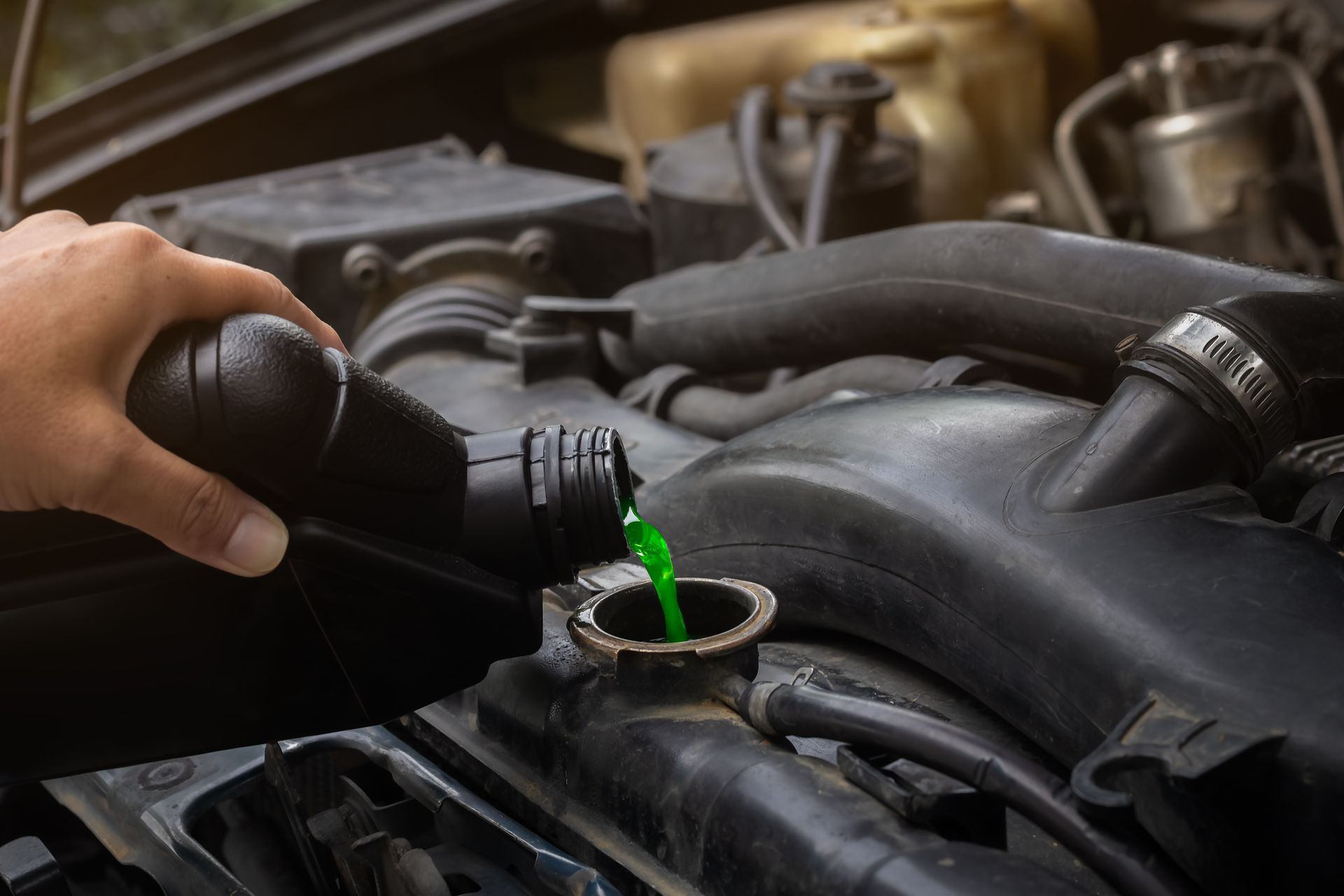
On vehicles with hydraulic power steering, low fluid is one of the first things to suspect. When the fluid level drops, the pump will not build steady pressure, and the steering gets heavier at low speeds, where assist demand is highest. You may hear a whining noise while turning, especially near full lock, or notice fluid around a hose, pump, or rack.
A worn power steering pump creates a similar feel. The pump may still give enough help while cruising, though it falls short during parking maneuvers or slow turns. If the belt driving the pump is loose or slipping, steering effort will rise even more, and the problem usually gets worse over time.
Electric Power Steering Has Its Own Failure Pattern
Many newer vehicles use electric power steering instead of hydraulic assist. In that setup, there is no power steering fluid or pump. Steering assist comes from an electric motor and control system, which means a heavy steering complaint points in a different direction.
When an electric assist motor, torque sensor, steering angle sensor, or related module starts failing, the wheel often feels heavier at low speeds first. In some cases, the steering warning light comes on. In others, the assist fades in and out, which makes the car feel inconsistent from one trip to the next.
Tires And Front-End Parts Can Add Resistance
Not every hard-steering problem starts with the assist system. Underinflated front tires increase the contact patch against the road, and that extra drag is felt most during slow turns. A driver may notice the wheel suddenly feels heavier in the morning, only to find one front tire is well below the proper pressure.
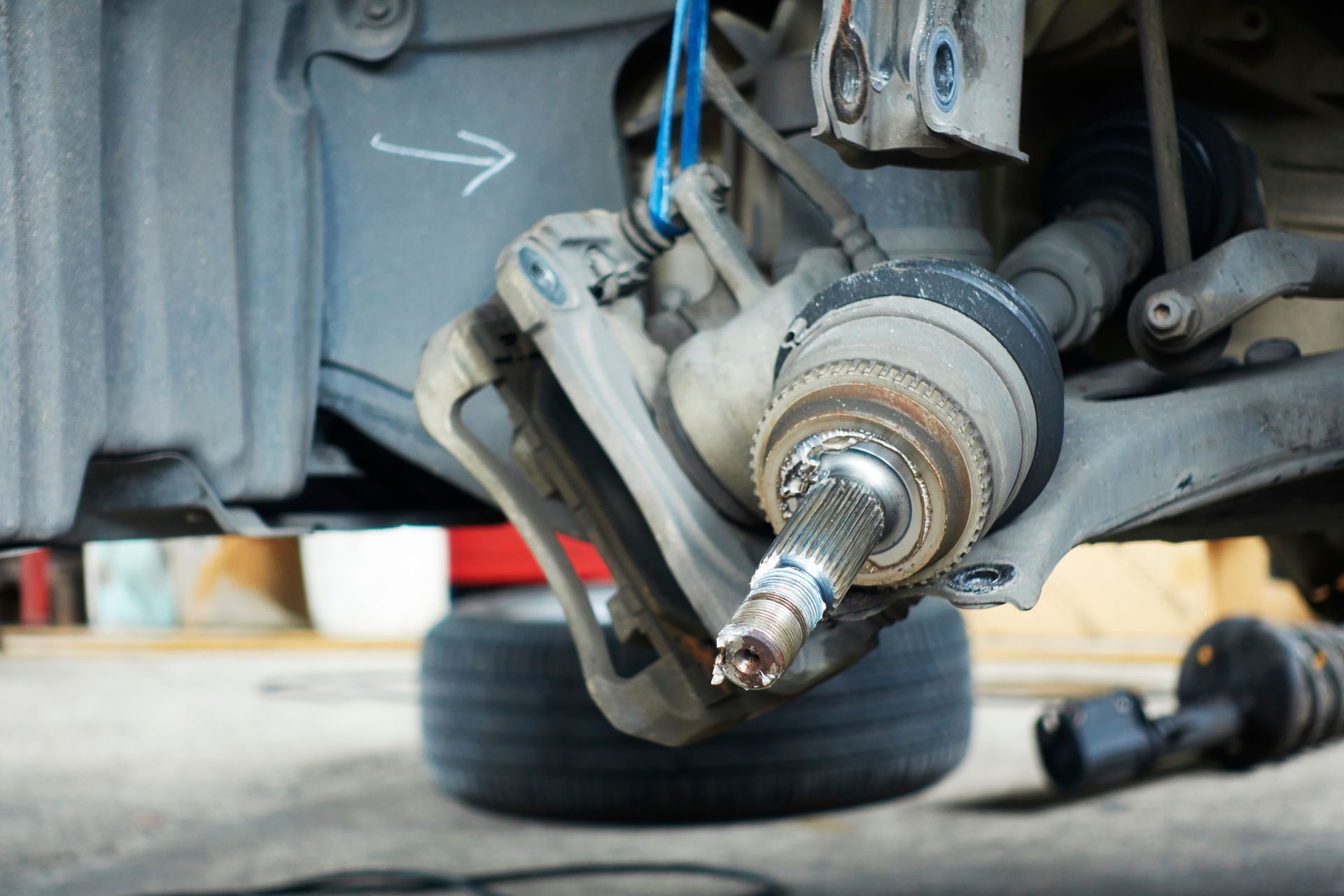
Worn suspension and steering parts create resistance, too. Binding ball joints, dry strut bearings, seized tie rod ends, or a stiff steering rack will all make the wheel harder to turn. We see this on older vehicles where the steering issue is blamed on the pump or motor, though the real problem is mechanical drag in the front end.
Clues That Help Narrow It Down
A few patterns tend to point you in the right direction before the vehicle even comes in for an inspection.
- A whining noise during turns often points toward a hydraulic assist problem
- Heavier steering after the car sits can suggest low tire pressure or fluid loss
- Steering that is jerky instead of smoothly heavy often points to binding components
- A steering warning light usually pushes electric assist faults higher on the list
- One direction feeling worse than the other can suggest rack or front-end wear
Those clues will not replace testing, though they do help connect the feel at the wheel to the area most likely causing the problem.
Why Waiting Will Usually Make The Steering Feel Worse
Hard steering rarely stays at the same level for long. A small leak results in lower fluid and more pump strain. A weak electric assist system becomes less consistent. Binding joints and worn rack components keep wearing until the steering feels rougher, heavier, and less predictable.
There is a safety side to this, too. Parking may be the first place you notice the issue, though emergency maneuvers and quick corrections demand good steering response as well. During regular maintenance, early steering changes are much easier to catch before the system becomes noisy, erratic, or expensive to repair.
What A Proper Check Should Cover
A steering complaint like this needs a full look at the system, not a quick guess. Tire pressure, belt condition, fluid level, leak points, steering effort, rack operation, ball joints, tie rods, and strut mounts all deserve attention. In electric systems, scan data and steering module faults help indicate whether assist is dropping due to a sensor or motor problem.
That is how the source gets pinned down correctly. Replacing one part without checking the rest of the system is how drivers end up paying twice for the same complaint.
Get Steering Repair In Bremerton, WA With Complete Auto Repair
If your steering wheel has started feeling heavy at low speeds, Complete Auto Repair can check the steering system, find the source of the added effort, and fix it before the problem spreads into further wear. A steering wheel should not fight you in parking lots or tight turns.
Have it checked while the problem is still straightforward and before the wheel gets even harder to turn.