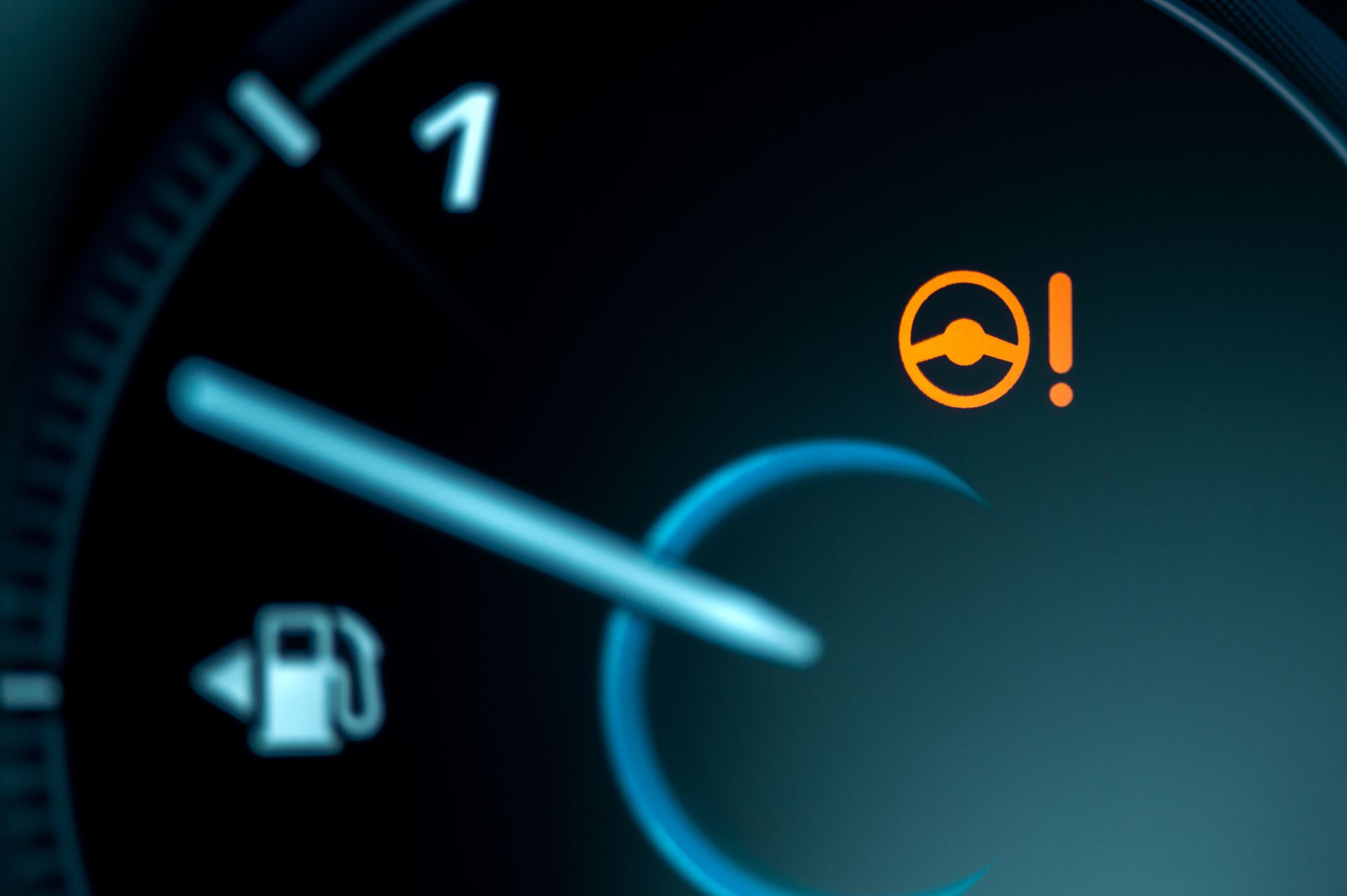
A check engine light has a special talent for showing up when you’re already busy. The car might feel fine, or it might start shaking, smelling odd, or using more fuel than usual. Either way, the light leaves you with the same question.
How worried should I be?
The answer depends on whether the light is steady or flashing, what codes are stored, and how the vehicle is acting. Here are the most common check engine light questions drivers ask us.
1. Can I Keep Driving With The Check Engine Light On?
If the light is steady and the car feels normal, you can usually drive it long enough to schedule service soon. That does not mean ignoring it for weeks. The vehicle is reporting that something in the engine, emissions, fuel, or control system is outside its normal range.
If the light is flashing, stop driving normally. A flashing light often points to an active misfire, which can damage the catalytic converter.
2. Why Is The Check Engine Light Flashing?
A flashing check engine light usually means the engine is misfiring badly enough to risk damage to the exhaust system. You may feel shaking, hesitation, or a rough idle. Sometimes it flashes only when you accelerate or climb a hill.
That still counts. The misfire is happening under load, and that is when weak spark plugs, ignition coils, fuel delivery problems, or compression issues often show up.
3. What Causes A Check Engine Light?
Many things can turn the light on. Common issues include loose gas caps, EVAP leaks, oxygen sensor faults, catalytic converter faults, misfires, vacuum leaks, fuel mixture problems, thermostat issues, and sensor circuit faults.
The code gives us a starting point, not a final answer. A sensor code may indicate the sensor failed, but it may also indicate a problem elsewhere.
4. Will Tightening The Gas Cap Fix It?
Sometimes, yes. If the light came on shortly after fueling, a loose or damaged gas cap may be the issue. Tighten it until it clicks, then keep driving normally for a few trips.
The light may not shut off right away. The vehicle has to run its EVAP self-test again. If the light stays on or comes back on, the leak may be in a hose, valve, seal, or charcoal canister.
5. Can A Check Engine Light Mean Something Serious?
Yes. Some causes are simple, and some are expensive if you keep driving. Misfires, overheating, lean fuel mixtures, rich fuel mixtures, and catalytic converter problems can all get worse when ignored.
This is where an inspection helps. Our technicians review the code, live data, and symptoms to determine whether the repair is urgent or something you can plan for.
6. Why Does The Light Come And Go?
Intermittent faults are common. A weak ignition coil may fail only when hot. A vacuum leak may change with temperature. A sensor connection may act up after rain or vibration.
The light turning off does not always mean the problem has fixed itself. The computer may still store history or pending codes. That stored information can help us find a problem that only appears under certain conditions.
7. Can I Clear The Code And See What Happens?
You can, but it is usually not helpful. Clearing the code erases useful data, including freeze-frame information that shows what the engine was doing when the fault happened.
If the problem persists, the light will come back. If you need an emissions test, clearing codes can also reset readiness monitors, which may cause the vehicle to fail until the self-tests run again.
8. Why Does My Car Run Fine With The Light On?
Many emissions and sensor problems show up before the driver feels anything. The engine computer can also adjust fuel and timing enough to hide small issues for a while.
That does not mean the car is healthy. Poor fuel economy, higher emissions, or converter stress can happen quietly. Regular maintenance helps catch small changes before they become obvious from the driver’s seat.
9. What Does A Diagnostic Include?
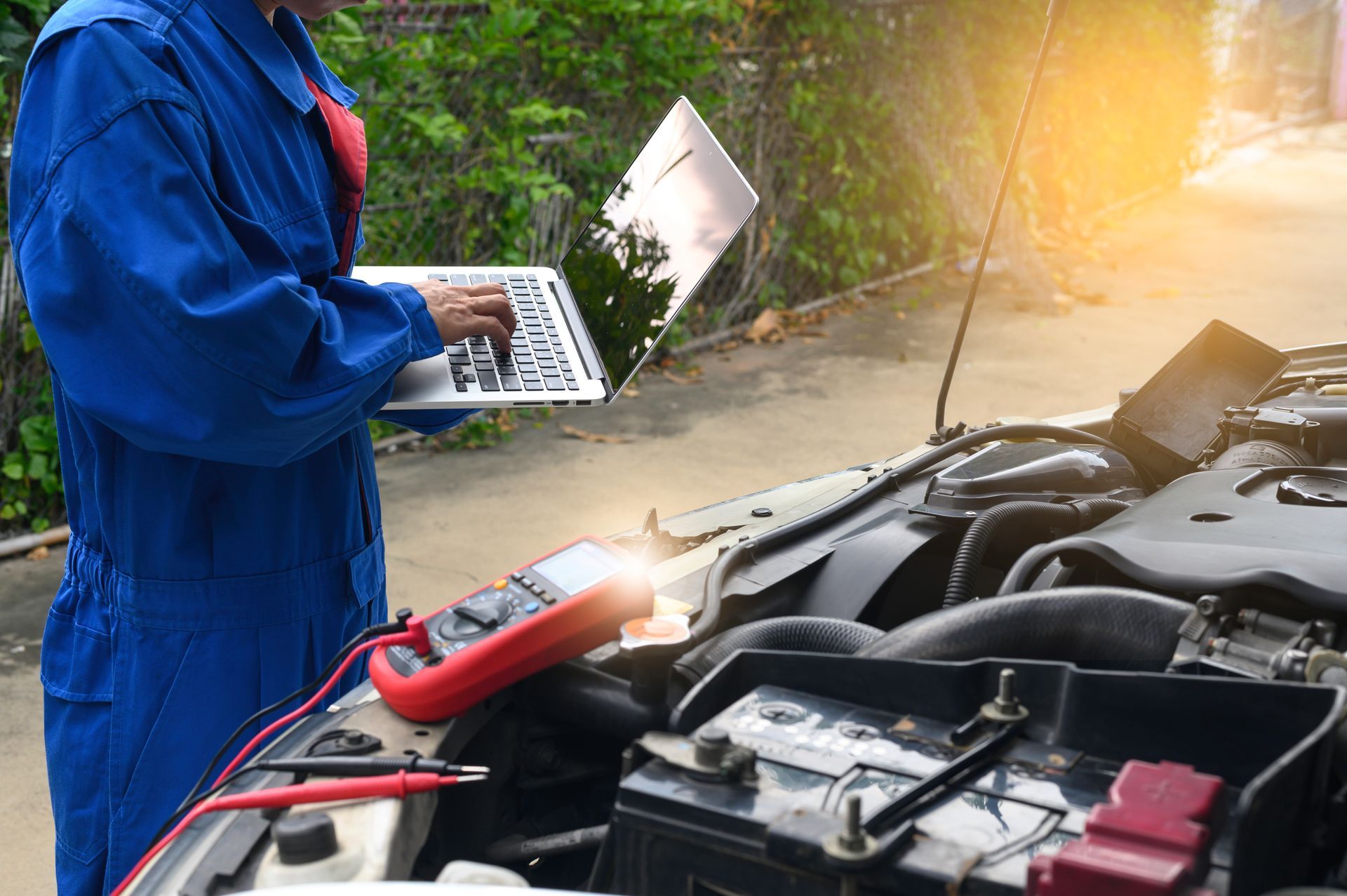
A good diagnostic is more than reading codes. We check stored codes, pending codes, live sensor data, fuel trims, misfire counters, freeze-frame data, wiring clues, vacuum leaks, and sometimes fuel pressure or compression.
The point is to prove the cause. A code reader can tell you what system is complaining. Testing tells you why it complained.
10. How Soon Should I Schedule Service?
A steady light should be checked soon, especially if fuel economy drops, the car runs rough, or the light keeps returning. A flashing light, strong shaking, fuel smell, overheating, or loss of power needs faster attention.
Do not wait until one warning becomes three. The earlier the problem is checked, the better your chance of keeping the repair focused and less expensive.
Get Check Engine Light Diagnostics In Bremerton, WA, With Complete Auto Repair
If your check engine light is on, flashing, or keeps coming back after being cleared, Complete Auto Repair in Bremerton, WA, can test the system and explain what the vehicle is actually reporting.
Schedule a visit and get a clear answer before a minor fault becomes a bigger problem.