Clutch life is one of those things drivers want a mileage number for, but real-world wear doesn’t work that neatly. One car can go well past 100,000 miles on its original clutch, while another needs one much sooner. The difference often comes down to where the car is driven and what happens every time the driver pulls away, shifts gears, or sits on a hill.
A clutch is a wear item, but early failure usually leaves clues. The pedal engagement changes, the engine revs without the car accelerating normally, or a hot smell shows up after traffic or hill driving. Paying attention to those changes can tell you more than mileage alone.
There Is No Single Mileage for Clutch Replacement
Many clutches last tens of thousands of miles, and well-driven highway cars can sometimes keep their original clutch for a very long time. City driving is harder on the same components because the clutch is engaged and released constantly.
A vehicle used for commuting through traffic might go through thousands of clutch engagements in the same distance that a highway-driven car spends cruising in one gear. Vehicle weight, engine torque, clutch design, towing, hills, and previous driving habits all play a role. If you bought the car used, its first 50,000 miles may have more influence on clutch condition than the mileage you’ve added since.
Riding the Clutch Creates Heat Quickly
One of the fastest ways to wear a clutch is keeping the pedal partly depressed while driving. When the clutch isn’t fully engaged, the disc can slip against the flywheel and pressure plate. That friction creates heat and gradually removes material from the disc.
Some drivers rest a foot lightly on the clutch pedal without realizing they’re doing it. Others hold the pedal near the engagement point in slow traffic so they can creep forward a few feet at a time. The car may feel easier to control, but the clutch spends much more time slipping than it needs to.
Hill Driving Can Be Especially Hard on a Clutch
Starting on an incline requires more torque than pulling away on flat ground. The driver has to balance engine power with clutch engagement while preventing the car from rolling backward. A little clutch slip during that process is normal. Holding the vehicle stationary by slipping the clutch is different.
We often see the effects of this kind of driving in vehicles that spend plenty of time on steep roads. The clutch can develop a hot smell after repeated starts, or engagement may become less predictable once everything warms up. Using the brake or parking brake to hold the vehicle takes that unnecessary load off the clutch.
Hard Launches and Heavy Loads Add More Stress
A quick launch asks the clutch to transfer a large amount of engine torque in a short period. Dumping the clutch or applying heavy throttle before it is fully engaged creates heat and shock through the clutch, flywheel, transmission mounts, and drivetrain.
The same applies when towing or carrying heavy loads. More vehicle weight means the clutch has to work harder when getting the vehicle moving. One hard start won’t automatically ruin a healthy clutch, but repeated high-load launches shorten its usable life.
Watch for the Early Signs of Clutch Wear
A clutch that’s wearing out doesn’t always fail suddenly. Several symptoms can develop first:
- Engine RPM rises faster than vehicle speed during acceleration
- Clutch engagement moves noticeably higher on the pedal
- Burning smell appears after hills or heavy traffic
- Car shudders or chatters when pulling away
- Acceleration feels weaker in higher gears
- Shifting becomes harder or less consistent
Slipping is especially noticeable under load. A car may feel normal around town, then the clutch slips while accelerating uphill in fourth or fifth gear. That kind of road-test detail helps separate clutch slip from an engine performance problem.
Not Every Clutch Complaint Means the Disc Is Worn Out
Clutch symptoms can come from more than friction material. A failing clutch master cylinder or slave cylinder can change pedal feel and make shifting difficult. Air in the hydraulic system can prevent full release. Worn engine or transmission mounts can create shudder that feels like clutch chatter.
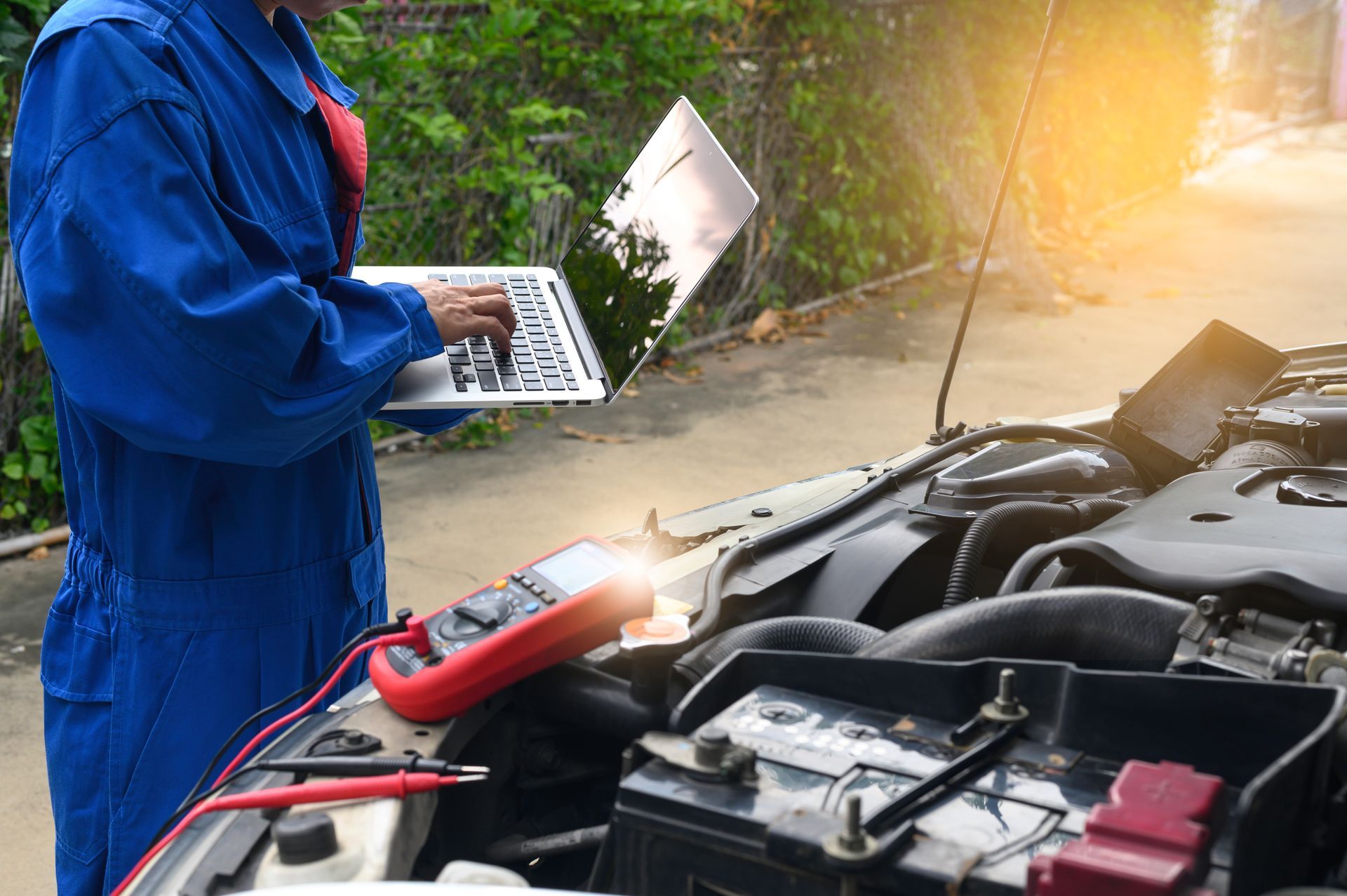
Oil leaking from an engine rear main seal or transmission input seal can also contaminate the clutch disc. In that situation, installing a new clutch without fixing the leak sets the new parts up for the same problem. A proper inspection should look at the hydraulics, leaks, mounts, clutch operation, and flywheel condition before deciding what needs replacement.
Driving Habits Make the Biggest Difference
Good habits don’t require treating the clutch delicately. The goal is simply to avoid unnecessary slipping. Once you’ve shifted, take your foot completely off the pedal. Use the brake to hold the car on hills, and don’t sit at a long stop with the clutch pedal held down if the vehicle can safely be placed in neutral.
Regular maintenance also helps because leaks, hydraulic problems, and worn mounts can be caught before they start affecting clutch operation. If the engagement point, pedal feel, or acceleration has changed, it’s better to check the system while the symptoms are still easy to reproduce.
Get Clutch Service In Bremerton, WA, With Complete Auto Repair
If your clutch is slipping, shuddering, smelling hot, or engaging differently than it used to, Complete Auto Repair in Bremerton, WA, can check the clutch system, hydraulics, flywheel, mounts, and related components to find out what’s actually worn.
Contact us to schedule a clutch inspection and discuss repair options for your vehicle.