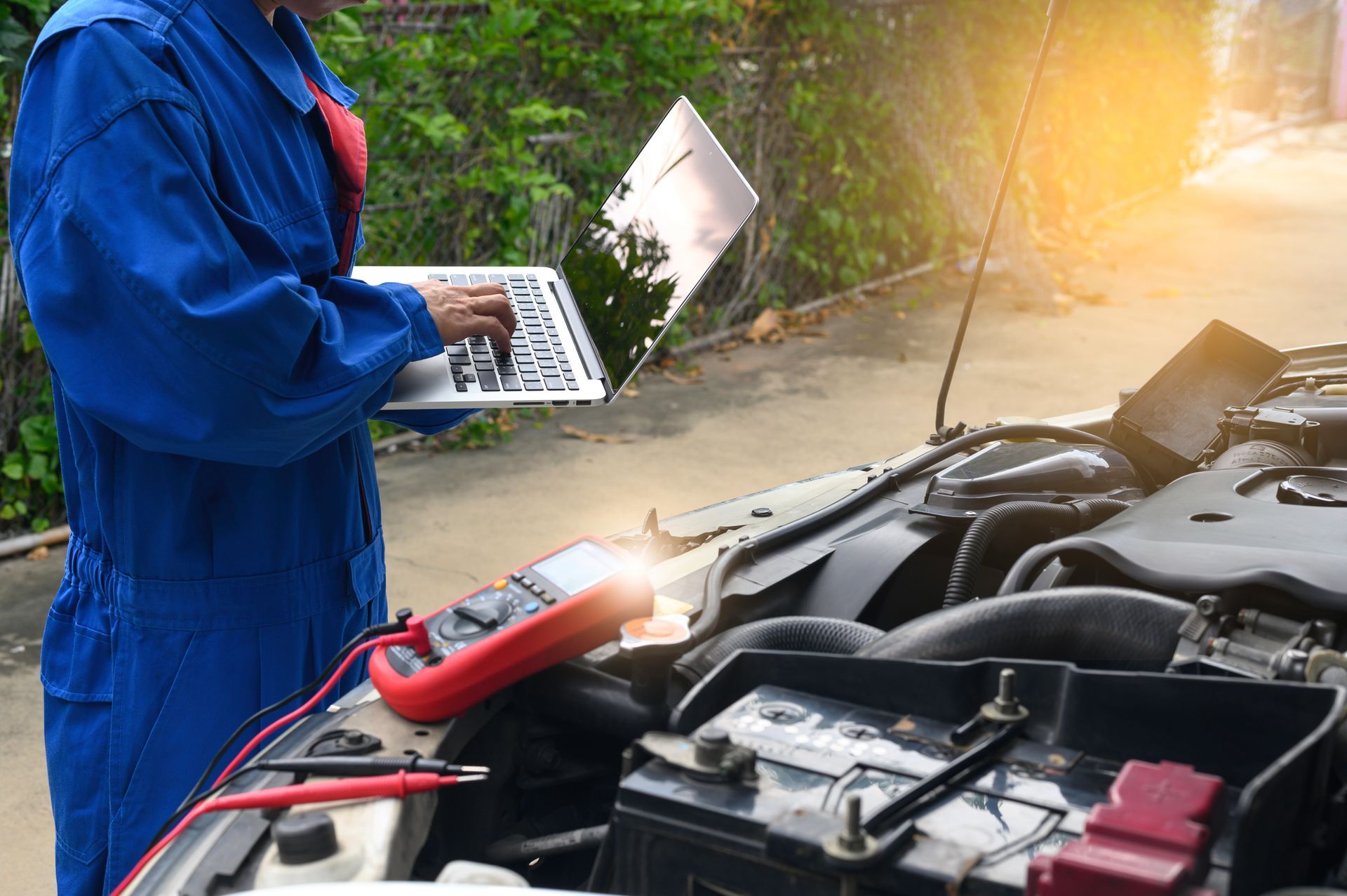
Battery, starter, and alternator problems often get grouped together because all 3 affect starting. Their jobs are different, though. The battery stores electrical energy, the starter turns the engine, and the alternator replenishes charge while a conventional engine runs.
When one part stops doing its job, the others feel the effects. A weak alternator leaves a healthy battery discharged. A poor cable connection prevents a good battery from supplying the starter. Finding the cause at Complete Auto Repair starts with what happens during the failed start and when the trouble began.
Battery Trouble That Shows Up Before Starting
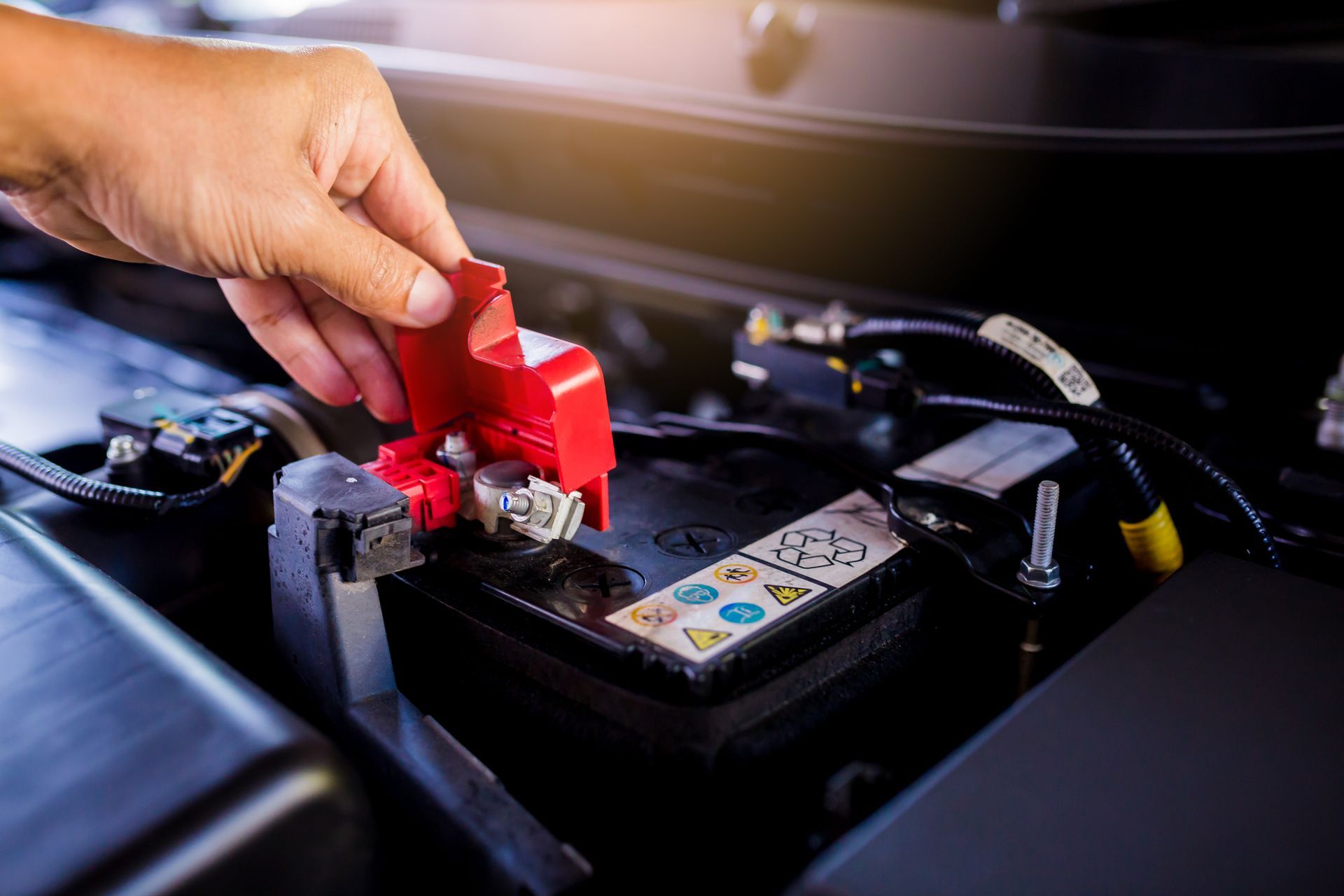
A starting battery needs to supply substantial current for a short period. As it ages, its ability to do that declines. Low charge can cause the same symptoms, even when the battery still has useful life.
Slow cranking and repeated clicking are familiar clues. A recent need for several jump-starts is another reason to arrange testing. Interior lights and the radio use much less power than the starter, so they might still work normally during a battery-related failure.
We test charge and starting performance together. A discharged battery often needs proper charging before a reliable assessment. Its age, recent use, and connection condition help explain the result. Base the decision on that information rather than the fact that a jump temporarily got the car moving.
Starter Problems and a Silent Engine
The starter engages the engine and turns it fast enough to begin running. A worn motor or engagement mechanism can cause an intermittent failure, a single click, or unusual noise during starting.
The checks include power reaching the starter and the signal asking it to operate. If those are correct but the motor won't turn normally, the starter needs closer attention. Battery connections remain part of the inspection because poor power delivery produces similar complaints.
Describe whether the failure follows a warm drive. A car that starts before work but refuses after a stop on the way home presents a useful pattern. Reproducing it during testing helps us verify which component is failing and confirm that the repair solves it.
Alternator Trouble That Leaves the Battery Low
Over time, the alternator usually becomes part of a starting complaint. The car runs, charging falls short, and the battery gradually loses the energy needed for the next start. Eventually the engine turns slowly or refuses to crank.
A charging warning while driving, dimming accessories, or repeated discharge calls for charging-system checks. We review alternator output under the required operating conditions along with battery performance, cables, and the belt drive.
Avoid testing an alternator by disconnecting a battery cable while the engine runs. That old shortcut risks damage to modern electronics. Proper measurements show whether the charging system supports the vehicle and recharges the battery.
Why a Jump-Start Is Only the Beginning
A successful jump provides enough help to start the engine at that moment. What happens afterward gives us more information. If the battery is simply low after a light was left on, charging and testing may be enough. If it keeps going flat overnight, we look at battery condition and electrical use while parked.
A brief drive often leaves a heavily discharged battery short of full charge. Repeated jump-starts without addressing that condition make starts harder. Arrange a proper charging and testing plan, especially after several discharge events.
Use the connection points and procedure in your owner's manual if jump-starting is permitted. Some vehicles have remote terminals or special instructions. A damaged or leaking battery requires professional help.
When Normal Cranking Points Beyond the Battery
If the engine spins at its normal starting speed but never fires, we change the direction of the inspection. Fuel supply, ignition on gasoline engines, timing, and control signals become the main areas to check.
Recent refueling, a stall during the previous drive, or a warning before the failure adds useful context. A key recognition problem is another possibility. Follow the manual's starting limits and avoid repeated long attempts that drain the battery and heat the starter.
Starting Symptoms That Help Us Find the Cause
Before arranging service, note what you can observe safely:
- Whether the engine cranks slowly, normally, or stays still
- Whether you hear one click or repeated clicks
- Whether the failure happens cold or after driving
- Any battery or charging warning on the dashboard
- Whether the car loses charge only while parked
- Any recent battery, starter, or accessory work
- Whether a jump-start changes the result
These details keep the appointment focused. A recording of the failed start is helpful when the symptom disappears before the car arrives. If you know it, include the battery's installation date and the usual length of your trips around Bremerton.
Checking the Starting System After Repair
The final check should repeat the conditions that caused the complaint. A warm-start failure needs a warm-start check. A battery that is discharged while parked needs attention to what happens after shutdown.
We also review the connections and charging performance after battery or starter work. Keeping the completed repair and test findings in your service records makes a later concern easier to assess. If a different symptom appears, describe it clearly instead of assuming the same part has failed again.
Battery and Starter Repair at Complete Auto Repair
Complete Auto Repair in Bremerton, WA, can help you diagnose battery, starter, and charging issues. Explain the sound during starting and whether the problem follows parking or a drive. We'll review the checks your car needs and discuss the repair before work proceeds.
Call
Complete Auto Repair to arrange starting-system testing and get a clear explanation of why your car won't start.