A diesel truck earns its keep by hauling tools, towing equipment, or covering long distances with a heavy load. That workload puts extra stress on the fuel, cooling, turbocharging, and emissions systems. Changes in starting, exhaust behavior, or temperature often appear well before a breakdown.
A good maintenance plan starts with the truck's workload, not just the date of the next oil change.
Diesel Engine Maintenance Begins With the Right Service Schedule
Diesel engines place high loads on lubricating oil, especially during towing, frequent idling, and stop-and-go work. The correct oil specification, filter, and service interval depend on the engine and its operating conditions. Some trucks monitor oil life electronically, while others use mileage, engine hours, and calendar time. Short trips and long periods of idling put different demands on the engine than steady highway driving.
We review the truck's service history alongside how it earns its miles. A vehicle used daily for short deliveries doesn't age in exactly the same way as one pulling a trailer across the state. Oil and filter records help us spot missed service without recommending premature replacements. Using the manufacturer's approved fluids protects the investment already made in the engine.
Engine Hours and Idle Time Tell a Different Story From Mileage
A work truck sometimes accumulates hundreds of hours of engine operation without traveling especially far. Equipment left running to power accessories or keep a cab comfortable still exposes the oil, fuel, and emissions systems to operating conditions. That is one reason some manufacturers include engine hours, idle use, or severe-duty schedules in their maintenance guidance.
What about a diesel that spends much of the week idling at a job site? Its odometer alone will not describe that workload. Keeping track of engine hours, towing days, and service dates creates a clearer record for planning future inspections. Those details are especially valuable when a truck changes owners or takes on heavier duties.
Fuel Filters and Injector Health Affect Every Workday
High-pressure diesel fuel systems depend on clean fuel and proper filtration. Water or abrasive contamination damages expensive pumps and injectors, often long before the engine stops running. Many diesel trucks have dedicated fuel-filter intervals and water-separation procedures. Skipping those steps is a poor way to save money on a truck that needs to start every morning.
Hard starting, rough idle, loss of power, or unexpected fuel consumption warrant fuel-system testing, but they don't identify a failed injector on their own. We review fuel pressure, filter condition, and related data before suggesting component replacement. If the truck runs differently after refueling, arrange an early check, especially if water contamination is suspected. Continuing to operate a damaged high-pressure pump risks spreading debris through the system.
Turbochargers and Air Intake Components Under Load
The turbocharger forces additional air into the engine, helping a diesel deliver torque under load. Its bearings rely on clean lubrication, and the intake system relies on sealed ducts and a properly fitted air filter. A split charge-air hose or leaking intercooler connection produces hissing, lower boost, and poor response. Smoke under acceleration adds another clue, although smoke alone doesn't identify the failed part.
Can the truck pull normally when empty but struggle with a trailer? We compare requested and actual boost, inspect the ducts, and check the intake restrictions before blaming the turbocharger. A damaged hose often imitates a much more expensive failure. We also look for oil leaks and unusual shaft or bearing symptoms when the evidence points to the turbo itself.
DPF Regeneration and EGR System Maintenance
Modern diesel exhaust systems use emissions components that need specific operating conditions. A diesel particulate filter traps soot and periodically regenerates to burn much of it away. Frequent short trips, interrupted regeneration cycles, or an unresolved engine fault sometimes leave the filter overloaded. Warning messages, reduced power, or unusually frequent regeneration events mean the system needs evaluation, not simply another highway drive.
Exhaust gas recirculation components also accumulate soot and suffer from sticking valves, cooler faults, and flow restrictions. The exact symptoms depend on the truck's engine and control strategy. We use fault information and operating data to separate a sensor issue from restricted flow. Removing or bypassing required emissions equipment isn't a maintenance shortcut. It creates legal and reliability problems.
Cooling, Batteries and Drivetrain Fluids Protect the Entire Truck
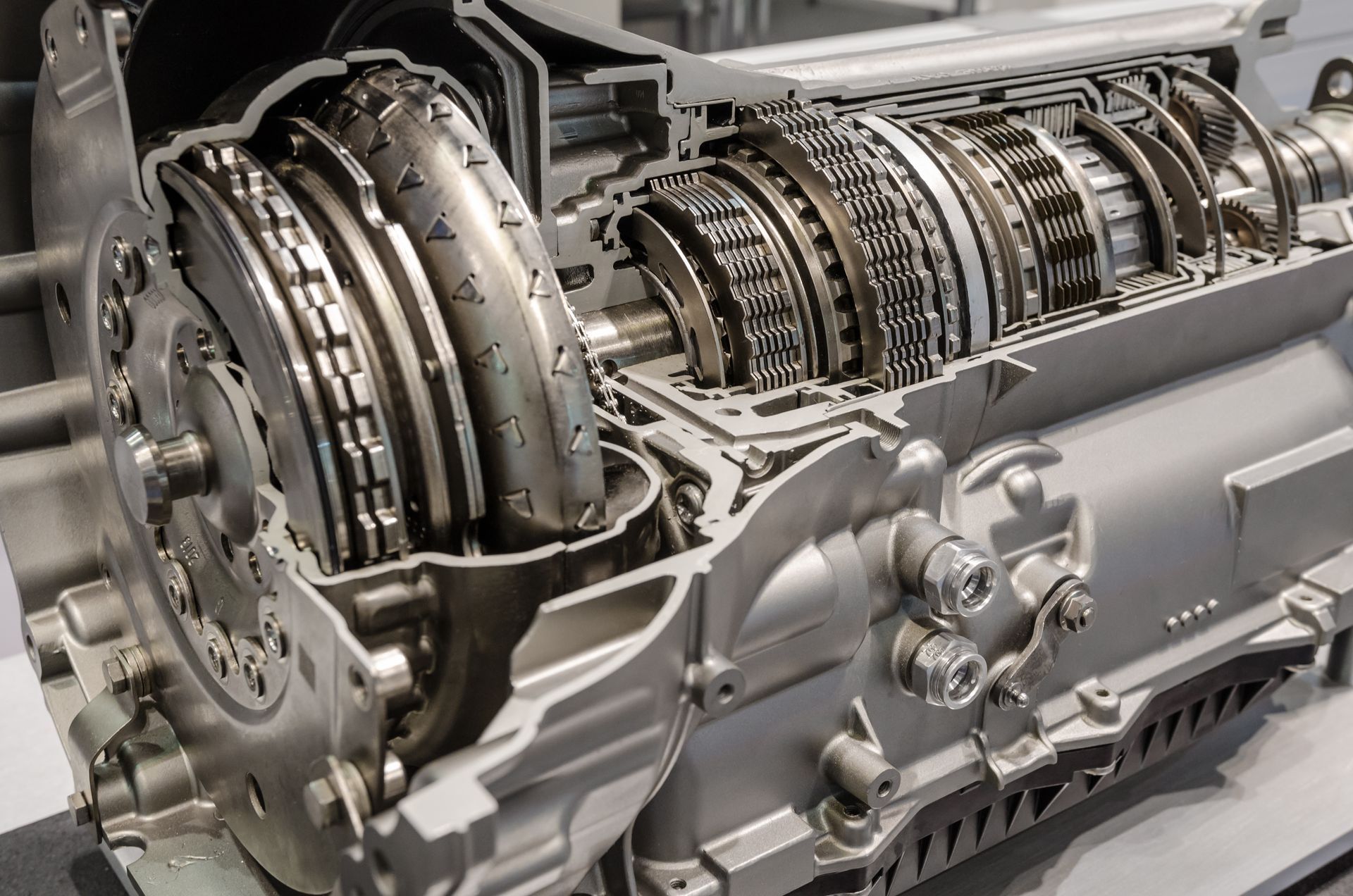
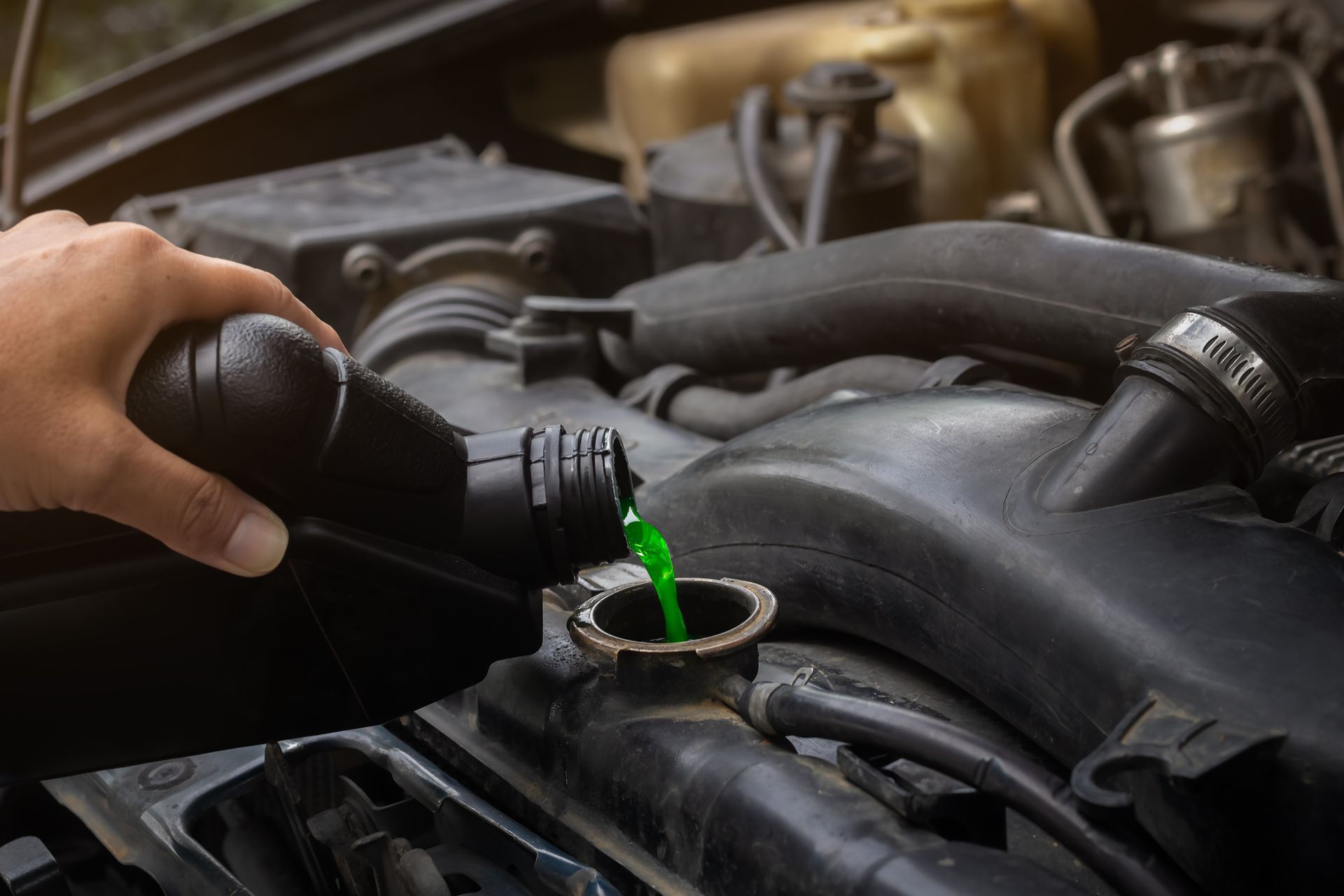
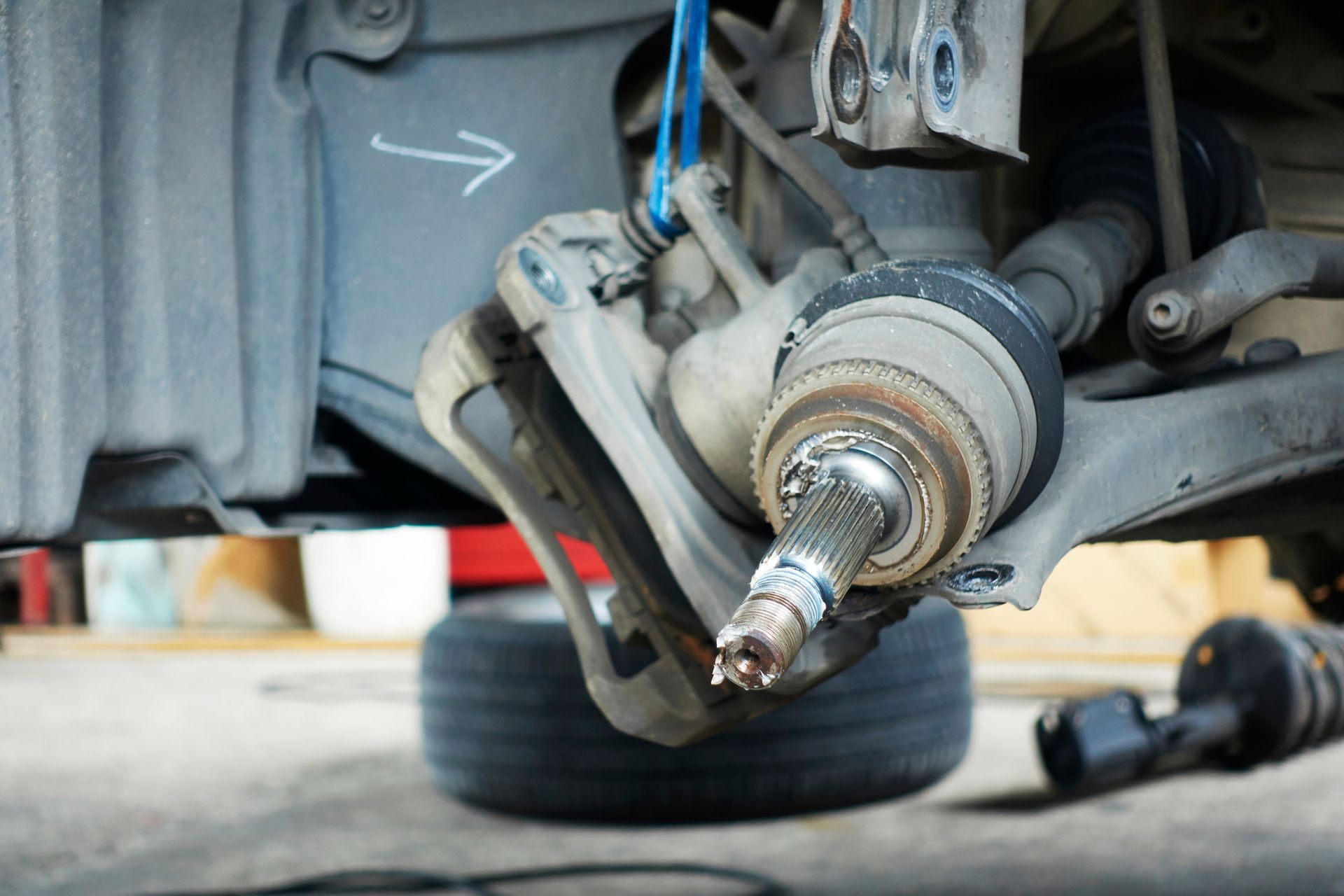
Towing sends more heat through the cooling system and transmission. Hoses, radiator surfaces, fans, and coolant condition need periodic inspection before an overheating event damages the engine. The transmission, differentials, and transfer case have their own fluid requirements, especially on four-wheel-drive work trucks. A small differential seal leak is easier to fix before low lubricant levels damage the bearings.
Bring these details to the next service appointment:
- The weight and frequency of your towing work
- Long idle periods or frequent short deliveries
- Any change in exhaust smoke or regeneration behavior
- New coolant loss, temperature changes, or leaks
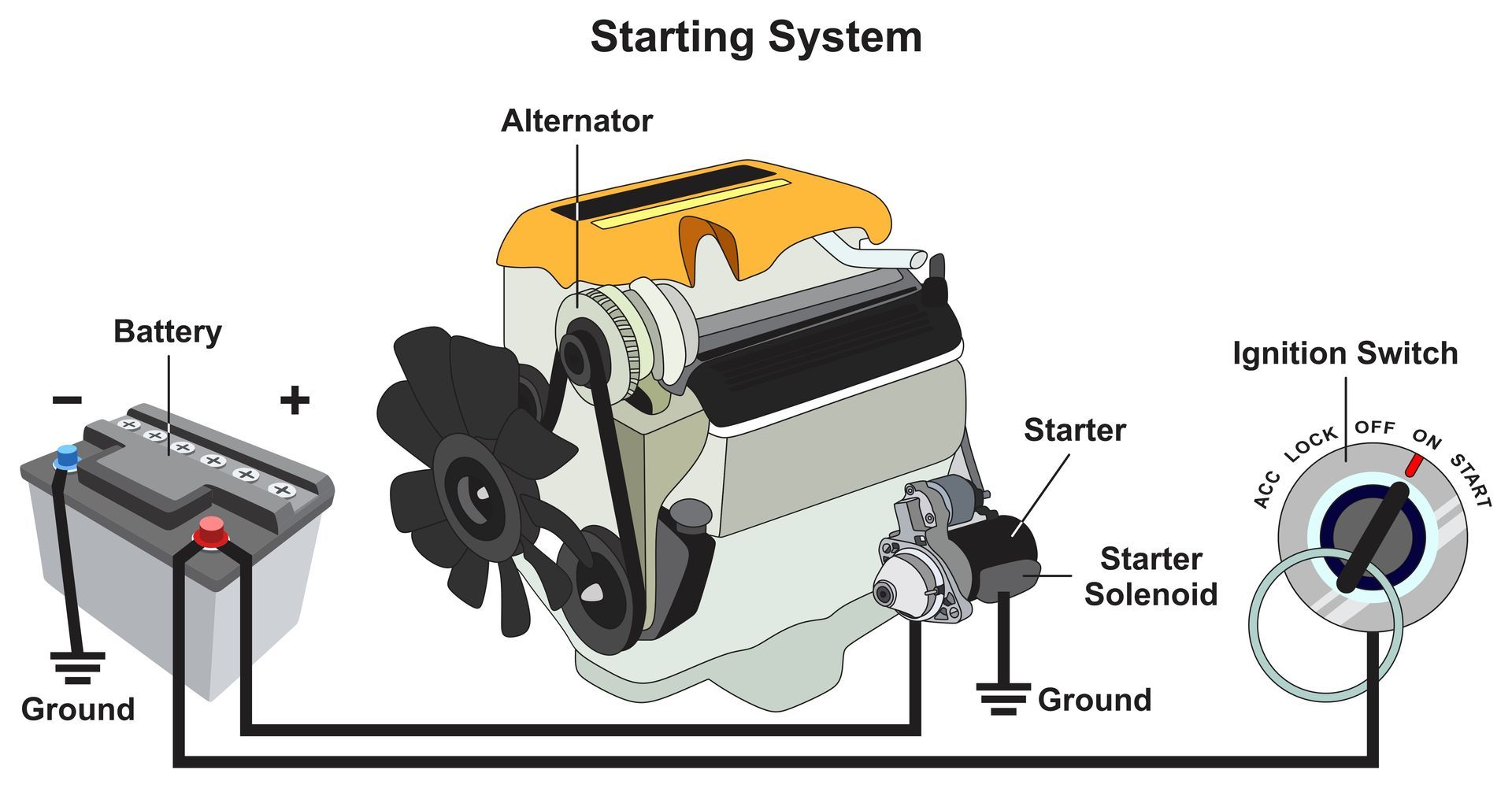
- Recent hard starts and battery warnings
- A new vibration or noise when hauling a load
Early Warning Signs That Call for Diesel Truck Repair
A steady rise in operating temperature, persistent coolant loss, metallic engine noise, or serious oil-pressure warning calls for prompt action. Low power with an emissions warning warrants inspection before forcing the truck to finish another loaded trip. A sudden fuel-system failure can leave the vehicle stranded and require far more work than the original fault.
The symptoms and service records guide the inspection. We test the affected system and explain the next steps, including downtime and repair priority. A reliable work truck is the result of regular service plus early response when something changes, not an indiscriminate list of new parts.
Get Diesel Truck Maintenance and Repair in Bremerton, WA, With Complete Auto Repair
Complete Auto Repair in Bremerton, WA, helps diesel-truck owners address maintenance, starting problems, cooling concerns, and drivability changes. We'll look at the truck's use and service history before recommending work.
Keep the next workday on schedule with a truck inspection before a small fault becomes lost time.